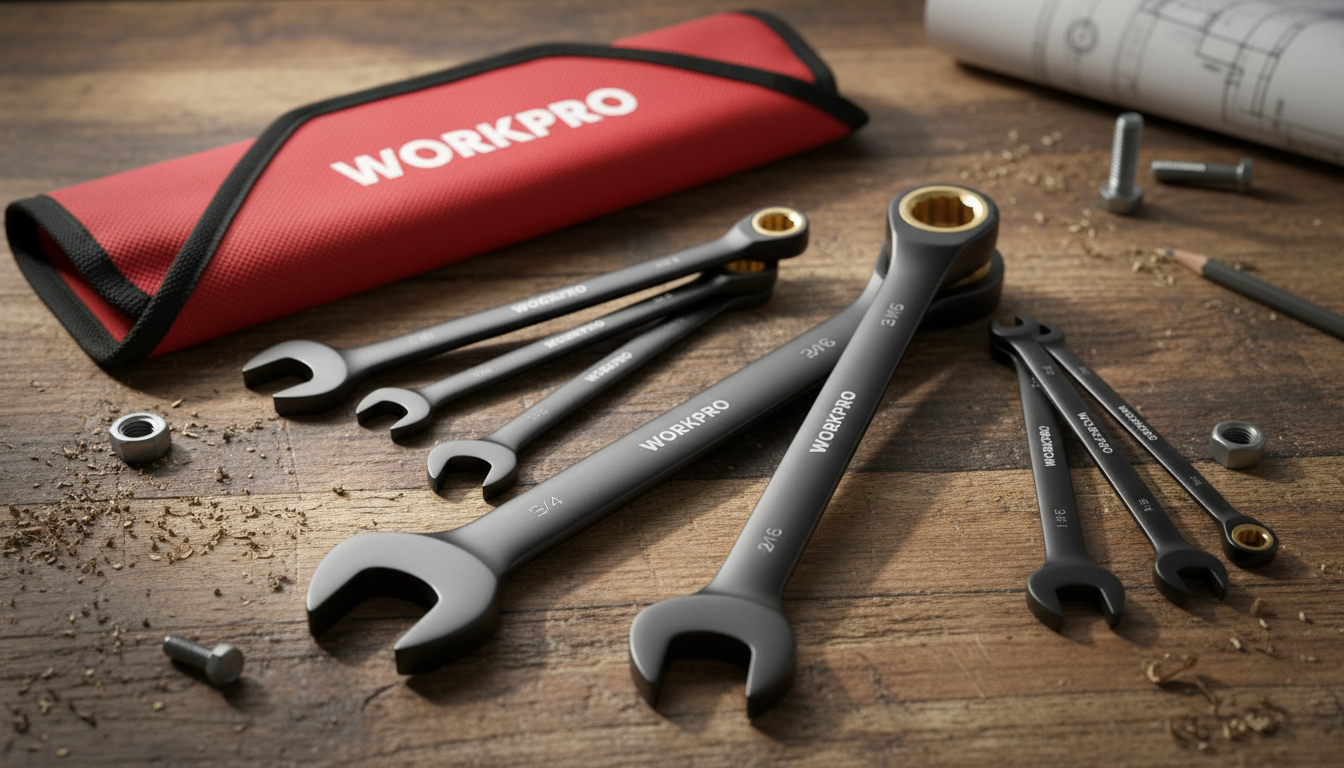
Anti-slip wrenches work by increasing the grip between the wrench and the fastener so the tool is less likely to slide off, round the corners, or “cam out” under load. Instead of relying on a smooth, loose-fitting contact, they use specialized jaw geometry and surface features to hold tighter as you pull.
Many anti-slip designs shift where the force lands on the nut or bolt. Traditional open-end wrenches can press closer to the fastener’s corners, which is where rounding happens first. Anti-slip patterns typically move the contact point onto the flat sides of the fastener and distribute force more evenly. That change lets you apply higher torque with less damage, especially on softer metals or partially worn fasteners.
Some anti-slip jaws incorporate fine serrations or micro-texture on the gripping surfaces. These tiny ridges add friction so the wrench resists slipping when the fastener is oily, painted, or slightly corroded. Good versions balance bite with control: they increase hold without gouging so aggressively that the fastener becomes harder to reuse.
Anti-slip wrench sets often include a tighter, more consistent fit across SAE and metric sizes, which helps reduce play. Less wiggle means the wrench doesn’t rock on the fastener, a common cause of slipping and rounding. The result is more predictable torque transfer and fewer “surprise” slips that can bruise knuckles or damage nearby parts.
When anti-slip features are paired with a ratcheting mechanism, you can keep steady pressure on the fastener while the wrench advances in small increments. That continuous engagement reduces the need to reposition the tool repeatedly, which is often when a wrench shifts and loses its bite.
For a deeper look at anti-slip ratcheting designs and what to look for in a mixed SAE/metric set, visit this guide to a 9-piece anti-slip ratcheting wrench set.
Used correctly, they’re typically less likely to round fasteners than standard open-end wrenches because they load the flats more than the corners. Aggressive serrations can mark a fastener’s surface, but the tradeoff is often improved hold on stubborn or slick hardware.






Leave a comment