
New interests can feel harder to start after 30—less time, more responsibilities, and a louder inner critic. Yet this stage also brings clearer values and the ability to build a hobby or creative practice that actually fits real life. The goal isn’t a total reinvention. It’s a steady return to curiosity through small experiments, gentle structure, and reflection.
It’s common for “late-blooming” interests to appear once life settles into a different rhythm. That shift can be surprisingly useful for self-discovery and creative momentum.
Just as stress can change how the body feels day to day, it can also change how “available” curiosity feels. If energy has been tight, it may help to treat your attention as a resource to protect and replenish (see the American Psychological Association’s overview of stress effects: https://www.apa.org/topics/stress/body).
Most obstacles aren’t a lack of talent. They’re friction points: time, cost, self-consciousness, and unrealistic expectations. Try swapping all-or-nothing thinking for lighter, repeatable moves.
If learning feels slower than it “should,” remember that adult brains still build skills through practice and novelty. Consistency, sleep, and mental engagement matter more than chasing big bursts of motivation (National Institute on Aging: https://www.nia.nih.gov/health/cognitive-health-and-older-adults).
This plan is designed for real schedules. The point is to gather evidence—what energizes you, what drains you, and what fits—without overcommitting.
| Week | Focus | Time Commitment | Outcome |
|---|---|---|---|
| 1 | Curiosity inventory | 3 x 15 min | Shortlist of interests |
| 2 | Three tiny trials | 3 x 30 min | Initial spark check |
| 3 | Skill sampling | 2 x 45 min | Confidence and momentum |
| 4 | Reflect and choose | 1 x 30 min | Continue / pivot / pause |
Fresh ideas often come from patterns you’ve been ignoring—tiny spikes of interest, quiet envy, or the way certain environments unlock your attention.
Keeping your mind engaged is part of the payoff—learning and creative effort support long-term mental sharpness (Harvard Health Publishing: https://www.health.harvard.edu/mind-and-mood/staying-mentally-sharp-with-age).
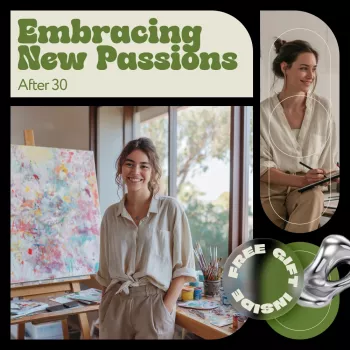
For a structured path that balances reflection (why it matters) with action (what to do next), explore Embracing New Passions After 30 – A Practical eBook for Self-Discovery, Creativity, and Fresh ideas for people over 30. It’s a practical fit for anyone who wants creativity and self-discovery without needing huge blocks of free time.
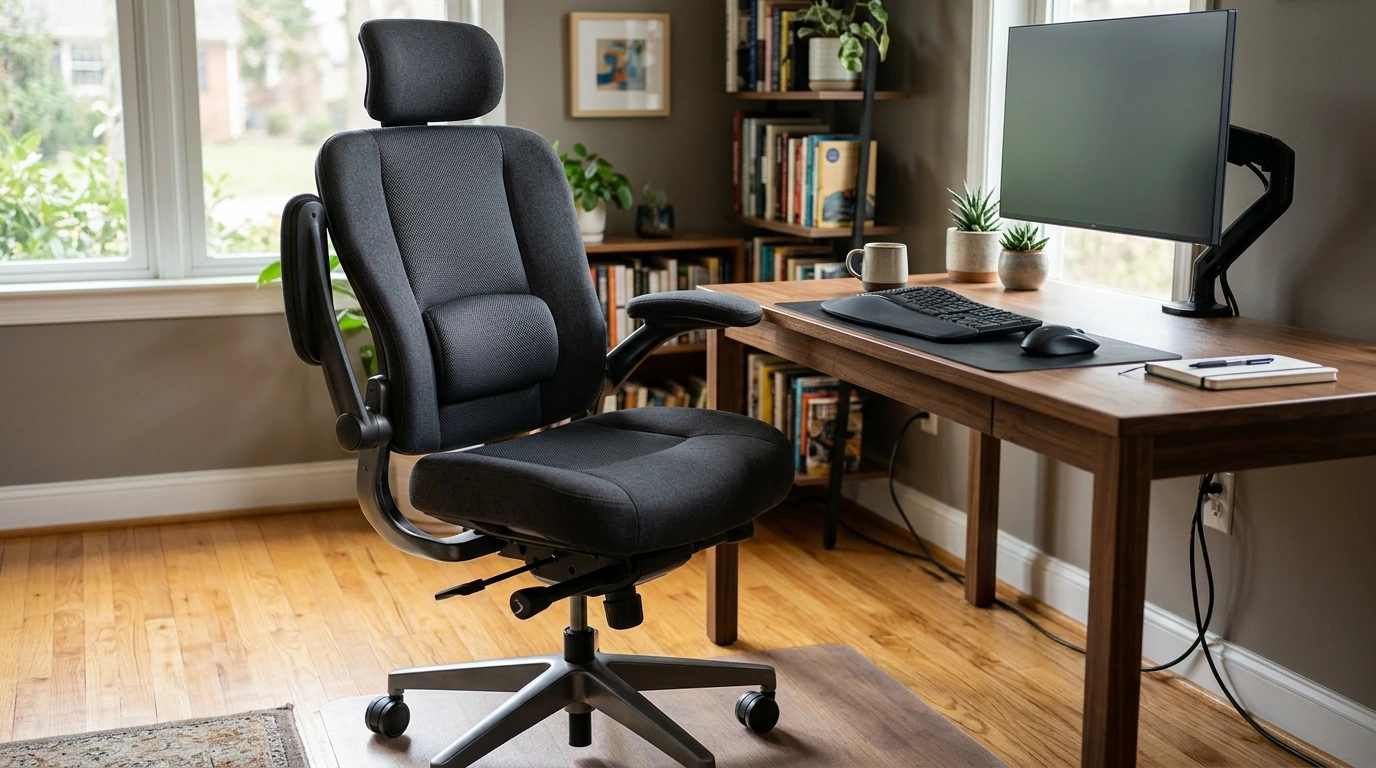
Even the space you practice in can matter. A stable, inviting “home base” reduces friction—if you’re building a reading nook, journaling corner, or craft surface, consider anchoring it with a piece like the Stylish Wood Coffee Table so your tools and materials have a consistent place to land.
No—adult learning can be highly efficient because you bring clearer goals and better self-awareness. Start with small practice blocks and choose a path that fits your real constraints so you can stay consistent.
Filter options by energy (what you want to return to), ease of starting, cost, time, and how well it matches your values. Run short trials before committing so your schedule—not just your imagination—gets a vote.
Motivation naturally rises and dips, so plan for it: keep a minimum viable routine and a “maintenance mode” for busy weeks. When you feel stuck, reconnect to your reason and adjust the environment to reduce friction.





Leave a comment