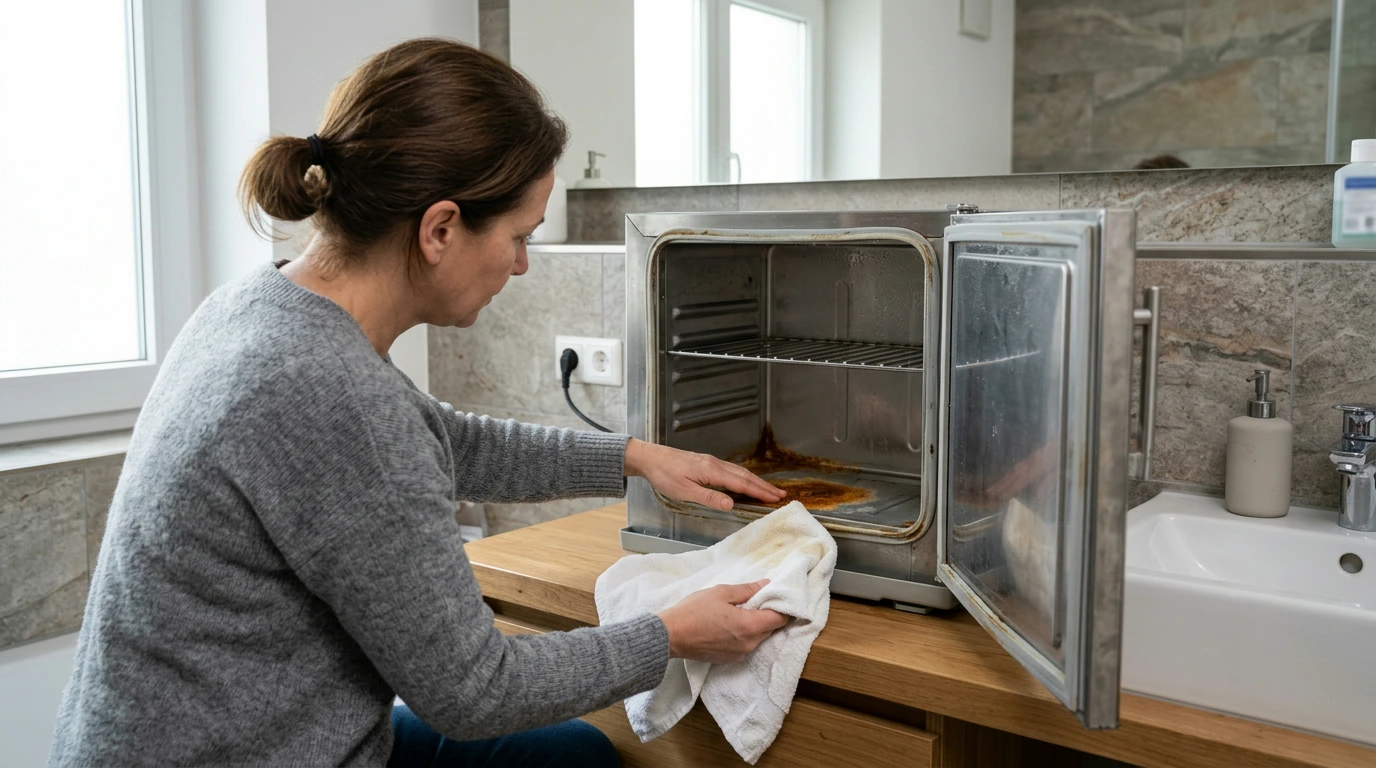
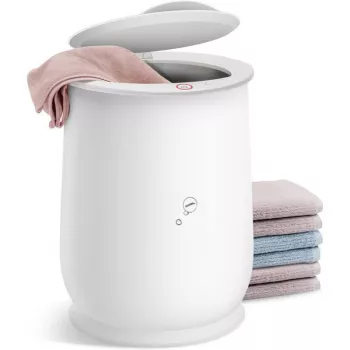
Hot towel warmers are one of those upgrades you notice every day—until something starts acting up. When you know the most common issues, you can usually fix them quickly, avoid repeat problems, and choose a warmer that fits your bathroom routine. If you’re also comparing sizes and styles, our team put together a detailed guide here: large-capacity hot towel warmer for bathroom comfort.
This is often caused by a loose plug, a tripped GFCI outlet, or a timer setting that didn’t start the cycle. If power is fine, overloaded chambers (towels packed too tightly) can slow heating because hot air can’t circulate.
When towels are folded into dense bundles or pressed against the walls of the unit, they can warm unevenly. For more consistent results, roll towels loosely, avoid compressing them, and keep the lid/door fully closed during the cycle.
Warmers are designed to heat towels, not to dry soaked fabric. Putting in damp towels, leaving warm towels inside for hours, or skipping routine wipe-downs can lead to odors; use clean, dry towels and empty the warmer after use.
Moisture is the usual culprit, especially if towels are wet or if water drips in from a countertop. Keeping towels dry, wiping condensation, and avoiding harsh cleaners helps protect the interior finish.
Some units pause heating when the door/lid isn’t seated, or when internal temperature protection kicks in. Let the unit cool, confirm the latch is secure, and avoid running back-to-back cycles with an overfilled chamber.
Warmers should be on a stable surface with clearance around vents, and they should be plugged directly into a properly rated outlet (no loose adapters). If a cord feels hot, a plug arcs, or breakers trip repeatedly, stop using the unit and replace it.
It’s best to warm clean, dry towels rather than damp ones, since warmers heat fabric but don’t reliably dry it. Damp towels can create odors and moisture buildup inside the chamber.




Leave a comment