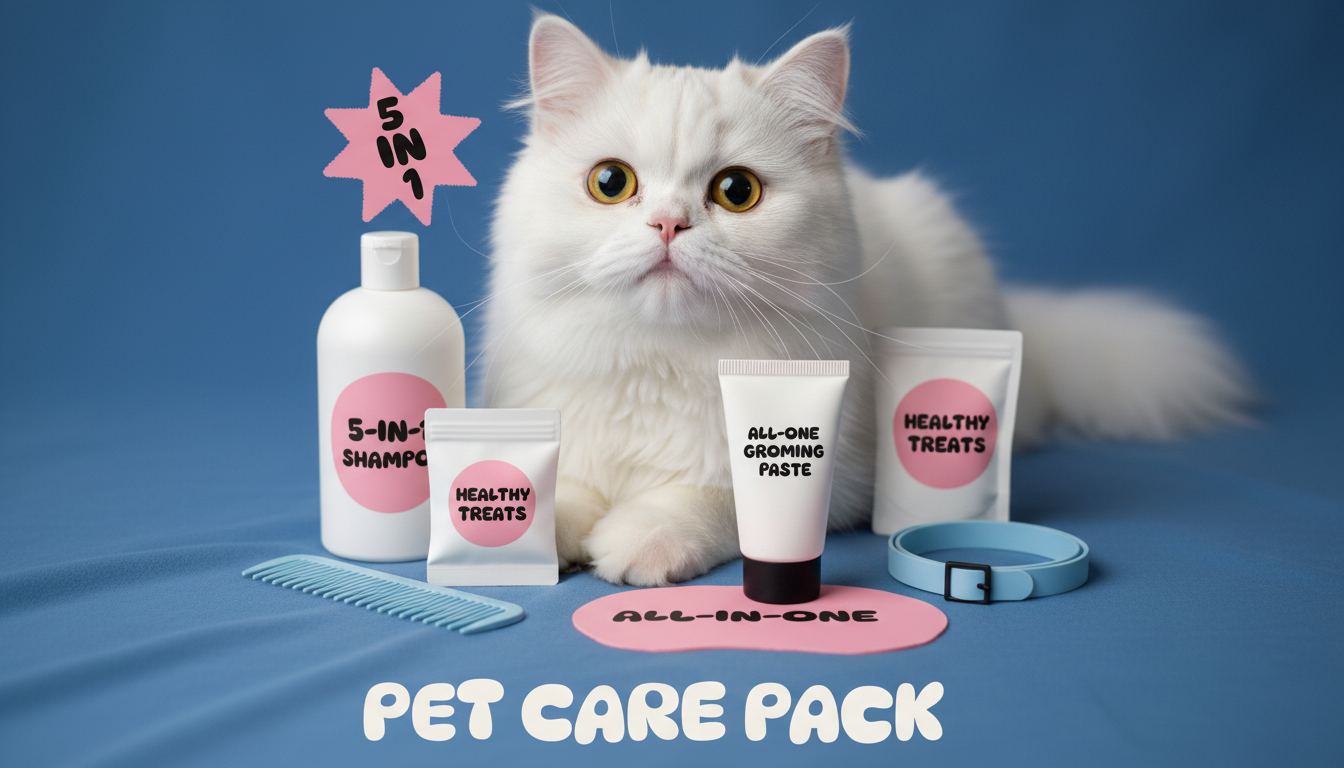
Yes—most pet first aid kits are worth it because they buy time when minutes matter. Accidents at home, on walks, or while traveling can go from “minor” to “urgent” fast, and having basic supplies on hand helps control bleeding, protect a wound, prevent worsening, and keep a stressed pet safer until a veterinarian can take over.
A first aid kit is especially useful for sudden issues like a torn nail, a small cut, a broken toenail that won’t stop oozing, an insect sting, mild paw pad injury, or a pet that needs safe restraint during a painful moment. Even if the situation still requires a vet visit, a kit can help you stabilize your pet and avoid complications during transport.
Look for items that are practical, pet-safe, and easy to use: non-stick gauze pads, rolled gauze, self-adhering bandage wrap, medical tape, antiseptic wipes or saline, blunt-tip scissors, tweezers, disposable gloves, a digital thermometer, and a soft muzzle or alternative restraint option (cats may need a towel wrap instead). A printed emergency card with your vet, the nearest 24/7 clinic, and pet poison helpline numbers is just as valuable as bandages.
A kit isn’t a substitute for veterinary care. Avoid giving human pain relievers unless a veterinarian specifically instructs it—many are toxic to pets. Also, skip products that sting or damage tissue (like peroxide used repeatedly) and anything expired, dried out, or not sealed.
Keep one kit at home and a smaller one in the car. Check it twice a year, replace used items immediately, and practice where everything is so you’re not searching during an emergency. For a broader approach to pet readiness—first aid, vaccines, and what to watch for—see this guide: https://fancinella.com/guide-5-in-1-pet-care-bundle-vaccines-cat-first-aid-temperament-holistic-pain-signs/.
Include gauze, self-adhering wrap, antiseptic wipes or saline, tweezers, blunt scissors, gloves, a thermometer, and emergency contact numbers. Choose supplies sized for your pet and store them in a waterproof container.







Leave a comment