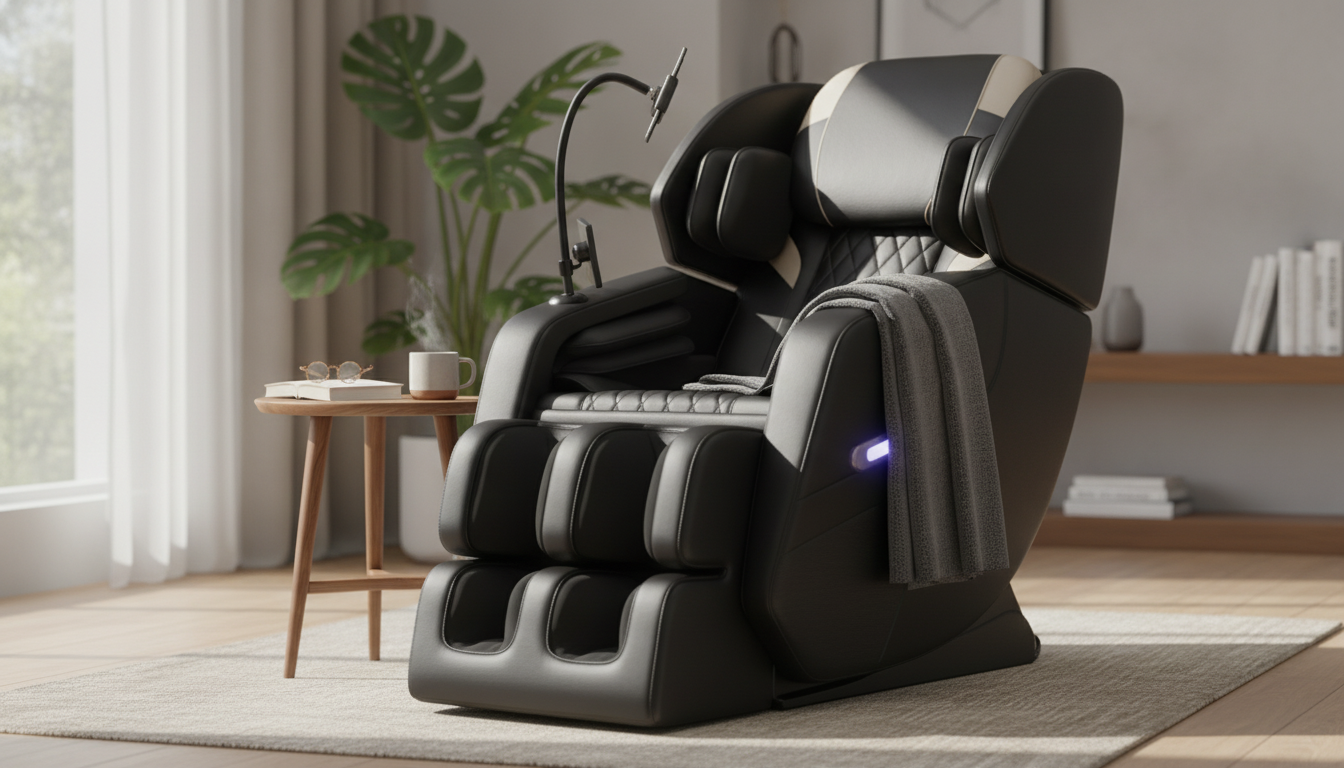
A full-body massage chair can turn short daily breaks into consistent recovery time—especially when it combines zero-gravity recline, warming heat, airbag compression, and dedicated foot rollers. The result is a routine that feels less like a luxury “once in a while” and more like a dependable reset you can use after work, after training, or before bed.
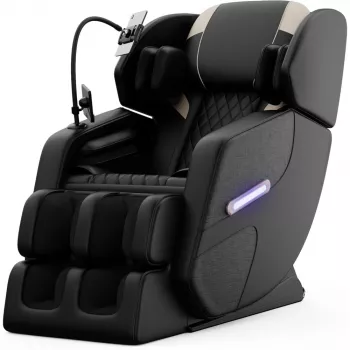
If you’re comparing options, the Full Body Zero Gravity Massage Chair with Heat, Airbag & Foot Rollers is built around that layered approach: recline for pressure relief, rollers for targeted work, airbags for gentler compression, and heat to make the session feel smoother and more comfortable.
Massage can support relaxation and overall well-being, especially when it’s used consistently and comfortably. For general background on massage therapy, see the Mayo Clinic overview of massage therapy and the NCCIH guide to massage therapy.
Zero-gravity positions shift body weight so your back and hips can feel more evenly supported. Many people describe it as a “floating” setup that lets the massage mechanisms make steadier contact, rather than chasing tension around pressure points.
Heat doesn’t have to be intense to be useful—often the goal is a steady warmth that makes a session feel more comfortable and less “jolting,” especially around the lower back or seat area. For a quick primer on heat use and safety, the Cleveland Clinic’s heat therapy guidance is a solid reference.
Airbags provide rhythmic compression that’s typically less sharp than roller pressure. Instead of a deep “point” sensation, you get a broader squeeze across areas like calves, arms, shoulders, or hips (depending on the chair’s layout). This can be especially nice on days you want recovery without feeling “worked.”
Foot rollers target the soles—an area that often feels overlooked until it’s fatigued. If you’re sensitive, thin socks can reduce friction while still letting you feel the rollers clearly. If your feet are tender, lower the intensity and build up over several sessions.
When zero gravity, heat, airbags, and rollers are used together, the experience tends to feel more complete than a back-only chair. You can mix “strong where you want it” (rollers) with “gentle where you need it” (airbags), and finish with foot-focused relief.
To make sessions feel more like a ritual (and less like another task), pair your chair time with a simple relaxation routine. The Essential Oils Relaxation Checklist – Simple Daily Ritual Guide is an easy add-on for planning calming, consistent breaks.
| Feature | What it does | Best for | Tips for best results |
|---|---|---|---|
| Zero-gravity recline | Repositions the body to reduce pressure and promote relaxation | Lower back fatigue, full-body relaxation | Start at mid-recline and adjust until shoulders feel supported |
| Heat | Adds warming comfort during massage | Evening sessions, stiffness relief | Use 10–15 minutes at a time; stop if it feels too hot |
| Airbag compression | Rhythmic squeezing sensation on targeted areas | Gentle recovery, circulation-focused comfort | Choose low intensity first; increase gradually over a week |
| Foot rollers | Rolls along soles to stimulate pressure points | Standing/walking fatigue, runners | Thin socks reduce friction; avoid high intensity on tender feet |
| Full-body program modes | Combines multiple techniques automatically | Convenience and variety | Rotate modes to avoid overworking one area day after day |
Start with 5–10 minutes to see how your feet and lower back respond, then build to 10–20 minutes as you get used to the pressure. Keep heat moderate and end the session if you notice tenderness, overheating, or discomfort.
For many users, it’s generally fine for everyday relaxation when you adjust gradually and stay well-supported through the shoulders and hips. If you’re pregnant, recovering from surgery, or managing cardiovascular or clotting concerns, check with a clinician first.
No—airbags are mainly for compression-style comfort, while rollers and kneading deliver more targeted, deeper pressure. Most people get the best feel by combining both and using adjustable intensity so the session stays comfortable.



Leave a comment