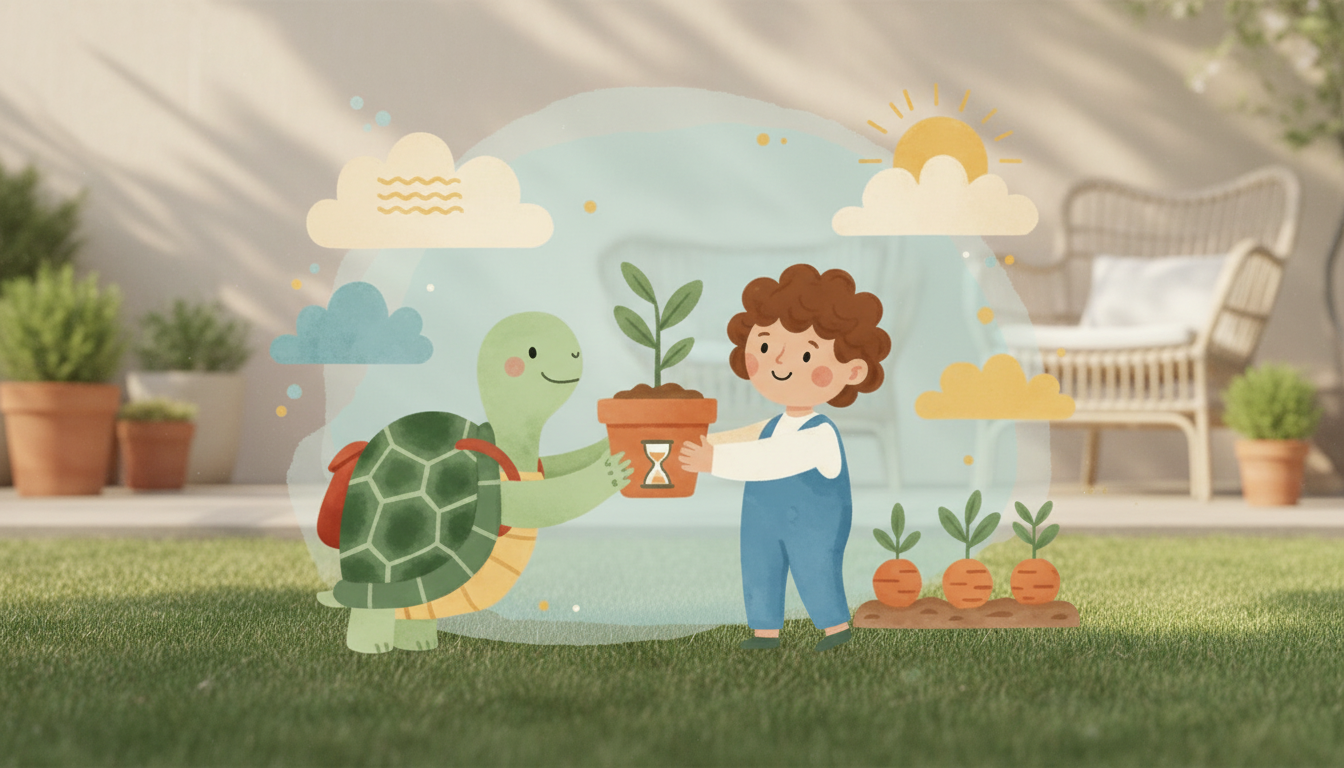
Patience isn’t a personality trait kids either “have” or “don’t have.” It’s a learnable skill that grows through repeated, supported practice—especially when children feel safe, understood, and guided. When adults treat waiting as a skill to coach (instead of a behavior to punish), kids build self-control, recover faster from frustration, and gain calm confidence they can carry into school, friendships, and daily routines.
Below are gentle, practical ways to reduce waiting-time meltdowns, strengthen flexibility, and make “not yet” feel doable—one small moment at a time.
Patience is more than standing still quietly. For kids, it’s a bundle of skills working together: waiting, tolerating discomfort, shifting attention, and recovering after frustration.
When a child “can’t wait,” it often signals a skills gap rather than defiance. Impulse control is still developing; hunger, tiredness, transitions, and big feelings can quickly overwhelm a child’s capacity to cope.
Signs patience is improving tend to be small at first: shorter outbursts, faster recovery, asking for help, using coping tools (even briefly), and trying again after a miss.
Self-regulation and flexible thinking develop over many years. That’s why expectations should match a child’s stage—what looks like “stubborn” behavior may simply be an under-construction brain doing its best.
Physiology matters, too. Sleep loss, hunger, overstimulation, illness, or a packed schedule can reduce coping capacity. If patience collapses easily, it may be a clue that the body needs support as much as the behavior needs coaching.
One of the quickest helpers is connection before correction. A calm adult nervous system can help a child settle; when adults slow down, soften their voice, and stay steady, children borrow that steadiness.
Another fast strategy is predict and prepare: preview the wait, name the plan, and offer a simple role during the waiting period (a “job” gives the brain something to do besides fixate on the delay).
| Trigger | What you may see | Support that helps |
|---|---|---|
| Long waits (stores, appointments) | Whining, grabbing, repeated questions | Give a job (hold list), set a timer, play an I-Spy game |
| Transitions (leave park, start homework) | Refusal, bargaining, tears | 5–2–1 countdown, clear next step, choice between two options |
| Sharing/turn-taking | Yelling, hitting, taking toys | Visual turns, scripted phrases, coach requesting a turn |
| Unclear expectations | Testing limits, repeated negotiating | Simple rule + brief reason + follow-through |
For more age-based guidance on supportive discipline and realistic expectations, see the CDC’s Positive Parenting Tips and the American Academy of Pediatrics resources at HealthyChildren.org.
If stress is running high at home, simple calming rituals can support the whole family system. The American Psychological Association shares practical ideas for resilience and coping at APA: Children, stress, and resilience.
Short, repeatable phrases help kids learn what to expect. Consistency matters more than having the “perfect” line.
| Day range | Goal | Example practice |
|---|---|---|
| Days 1–3 | Notice and name waiting | Use timer for 30–60 seconds; praise effort |
| Days 4–7 | Add coping tools | Breathe + count + hold a fidget during 1–2 minute wait |
| Days 8–10 | Generalize to real life | Practice waiting in line or before screen time (2–3 minutes) |
| Days 11–14 | Strengthen recovery | After frustration, coach a calm reset and retry the wait |
A quick-reference resource can also reduce decision fatigue: the scripts are already there, the coping tools are listed, and the practice steps are clear. For a ready-to-use option, see the Helping Kids Build Patience printable parenting guide (digital download).
To support calming rituals alongside patience practice, the Essential Oils Relaxation Checklist for simple calming rituals can help families create small, repeatable “reset moments” that make waiting and transitions feel less intense.
Patience practice can start in toddlerhood with very short waits (10–30 seconds) and lots of adult support. As kids grow, they can handle longer delays, especially when timers, routines, and coping tools make the wait predictable.
Stay calm and brief: validate the feeling, hold the boundary, and guide one coping tool (like breathing, squeezing a fidget, or looking for colors). After the moment passes, repair with connection and practice a short “do-over” so the child learns what to try next time.
Small wins often show up within days (shorter outbursts or faster recovery), while steadier progress usually takes 2–4 weeks of consistent practice. Sleep, hunger, and changes in routine can speed up or slow down the timeline.





Leave a comment