×
Back to menu
HomeBlogBlogRadiant Skin Nutrition Toolkit: 3-in-1 Glow Diet Bundle

Radiant Skin Nutrition Toolkit: 3-in-1 Glow Diet Bundle

Radiant Skin Nutrition Toolkit: 3-in-1 Glow Diet Bundle

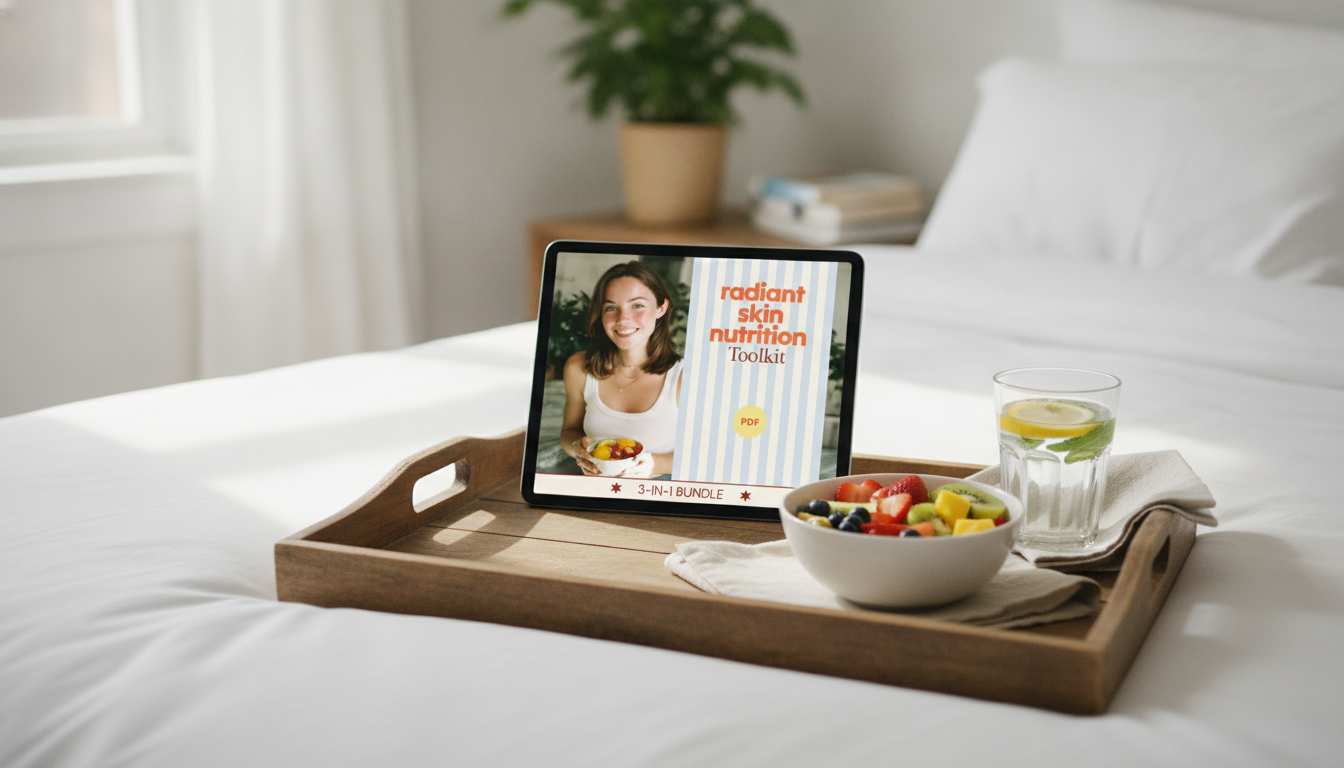
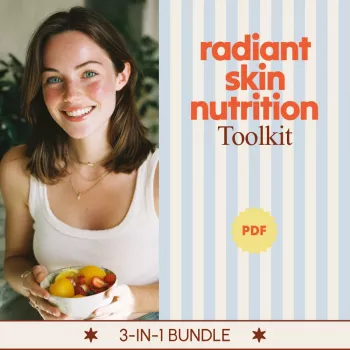
Radiant Skin Nutrition Toolkit – 3-in-1 Bundle for a Healthy Diet and Natural Glow

Radiant-looking skin is built from daily nutrition choices: steady hydration, balanced meals, and nutrient-dense foods that support the skin barrier, collagen formation, and a calmer inflammatory response. The Radiant Skin Nutrition Toolkit – 3-in-1 Bundle | Healthy Diet for Glowing Skin is designed as a practical, food-first toolkit to help plan, shop, and eat in a way that supports a more consistent glow—without complicated rules or extreme restrictions.

Why nutrition shows up on your skin

Skin is an organ with constant turnover. What you eat (and how consistently you eat it) can influence comfort, texture, and the overall “rested” look of your complexion.

  • Skin barrier support: Essential fats, zinc, and key vitamins help maintain moisture and resilience.
  • Collagen maintenance: Adequate protein plus vitamin C support collagen formation and repair.
  • Oxidative stress and inflammation: Colorful plants, omega-3s, and polyphenols can help balance inflammatory pathways that affect texture and tone.
  • Glycemic swings: Frequent high-sugar spikes may contribute to breakouts for some people; steadier meals can help.
  • Hydration and electrolytes: Water intake plus mineral-rich foods support plumpness and comfort.

For a simple model of balanced eating that fits most lifestyles, the Healthy Eating Plate from Harvard T.H. Chan School of Public Health is a helpful reference point.

What’s included in the 3-in-1 bundle

The goal is consistency: repeating a handful of glow-friendly habits often does more than chasing perfect “clean eating” for a week and burning out.

  • A structured framework to map skin-supportive meals across the week, reducing decision fatigue.
  • Ingredient guidance that emphasizes whole foods commonly associated with smoother, brighter-looking skin.
  • Checklists and planning tools aimed at consistency—often the biggest driver of visible results.
Bundle components and how each one helps

Component Primary purpose How it supports a glowing-skin routine
Planning tool Creates an easy weekly structure Helps keep protein, produce, and healthy fats consistent day to day
Food and nutrient guide Highlights key skin-supportive nutrients Makes it easier to choose meals rich in vitamin C, omega-3s, zinc, and antioxidants
Shopping and habit checklists Turns plans into action Improves follow-through with quick reminders for hydration, prep, and balanced plates

Key nutrients the toolkit emphasizes (and where to find them)

Think “coverage,” not perfection—getting these nutrients most days tends to work better than mega-dosing any single food once in a while.

  • Vitamin C: Citrus, kiwi, bell peppers, strawberries—supports collagen formation and antioxidant protection. The NIH Office of Dietary Supplements vitamin C fact sheet offers a clear overview of dietary sources.
  • Omega-3 fats: Salmon, sardines, chia, flax, walnuts—supports barrier function and comfort.
  • Zinc: Pumpkin seeds, lentils, chickpeas, seafood—supports wound healing and oil balance.
  • Vitamin E: Sunflower seeds, almonds, avocado—works with vitamin C in antioxidant defense.
  • Protein: Poultry, fish, tofu, Greek yogurt, beans—provides amino acids used in skin structure.
  • Carotenoids and polyphenols: Carrots, sweet potatoes, leafy greens, berries, green tea—support overall skin tone and resilience.

A simple daily rhythm for glow-friendly eating

Instead of rigid rules, use repeatable anchors that make meals easier to build on busy days.

  • Build each meal around a protein anchor (often 20–35g when appropriate) plus colorful plants.
  • Add one healthy fat source daily (olive oil, avocado, nuts, seeds, fatty fish).
  • Aim for fiber at most meals to support gut comfort and steadier energy.
  • Hydrate early and often: Start the day with water; include soups, fruit, and mineral-rich foods.
  • Use “swap rules” instead of strict bans (add berries to breakfast, add greens to lunch, add seeds to snacks).
One-day example using the toolkit mindset

Time Easy option Skin-supportive focus
Morning Greek yogurt or tofu bowl + berries + chia Protein + antioxidants + omega-3s
Lunch Salmon or chickpea salad with olive oil + mixed greens Omega-3s/plant fats + carotenoids
Snack Citrus + handful of nuts Vitamin C + vitamin E
Dinner Lean protein + roasted colorful vegetables + whole grain Protein + polyphenols + steady carbs
Hydration Water, herbal tea, or broth Barrier support and comfort

Who this bundle is best for

  • Anyone who wants a structured, food-first approach to improving how skin looks and feels.
  • Busy schedules that benefit from planning templates and quick lists.
  • People who prefer gentle, sustainable changes over extreme detoxes or complicated supplement stacks.
  • Those working on consistency: regular meals, smarter snacks, and hydration routines.

How to use the toolkit for the next 14 days

A two-week window is long enough to notice early changes (especially hydration comfort and texture) while staying realistic.

To make the routine feel calmer overall, pair the food plan with a simple wind-down habit like the Essential Oils Relaxation Checklist – Simple Daily Ritual Guide Featuring the best essential oils for relaxation for Stress Relief, Sleep & Calm Living, especially if stress tends to show up on your skin.

Common mistakes that stall progress

If acne is a major concern, the American Academy of Dermatology’s acne management tips can help align food changes with a gentle, consistent skincare routine.

FAQ

How long does it take for diet changes to show on skin?

Hydration comfort and a “plumper” look can show up within a few weeks, especially with steadier fluids and more produce. Breakouts, redness, and uneven tone often take longer because skin turnover is gradual and consistency matters most.

Does eating sugar cause acne?

It depends on the person. Some people notice more breakouts with high-glycemic patterns, while others don’t; a practical approach is to pair carbs with protein and fiber and track your own patterns instead of fearing all carbs.

Can this replace skincare products or dermatologist care?

No—nutrition complements skincare and medical care. For persistent acne, eczema, rosacea, or painful inflammation, professional guidance is still the safest route while you use food habits to support overall skin resilience.

Leave a comment

Why fancinella.com?

Uncompromised Quality
Experience enduring elegance and durability with our premium collection
Curated Selection
Discover exceptional products for your refined lifestyle in our handpicked collection
Exclusive Deals
Access special savings on luxurious items, elevating your experience for less
EXPRESS DELIVERY
FREE RETURNS
EXCEPTIONAL CUSTOMER SERVICE
SAFE PAYMENTS
Top

Yay! 10% Off Just for You!

Join our community and enjoy 10% off your first order. Subscribe for exclusive deals!

Shopping cart

×