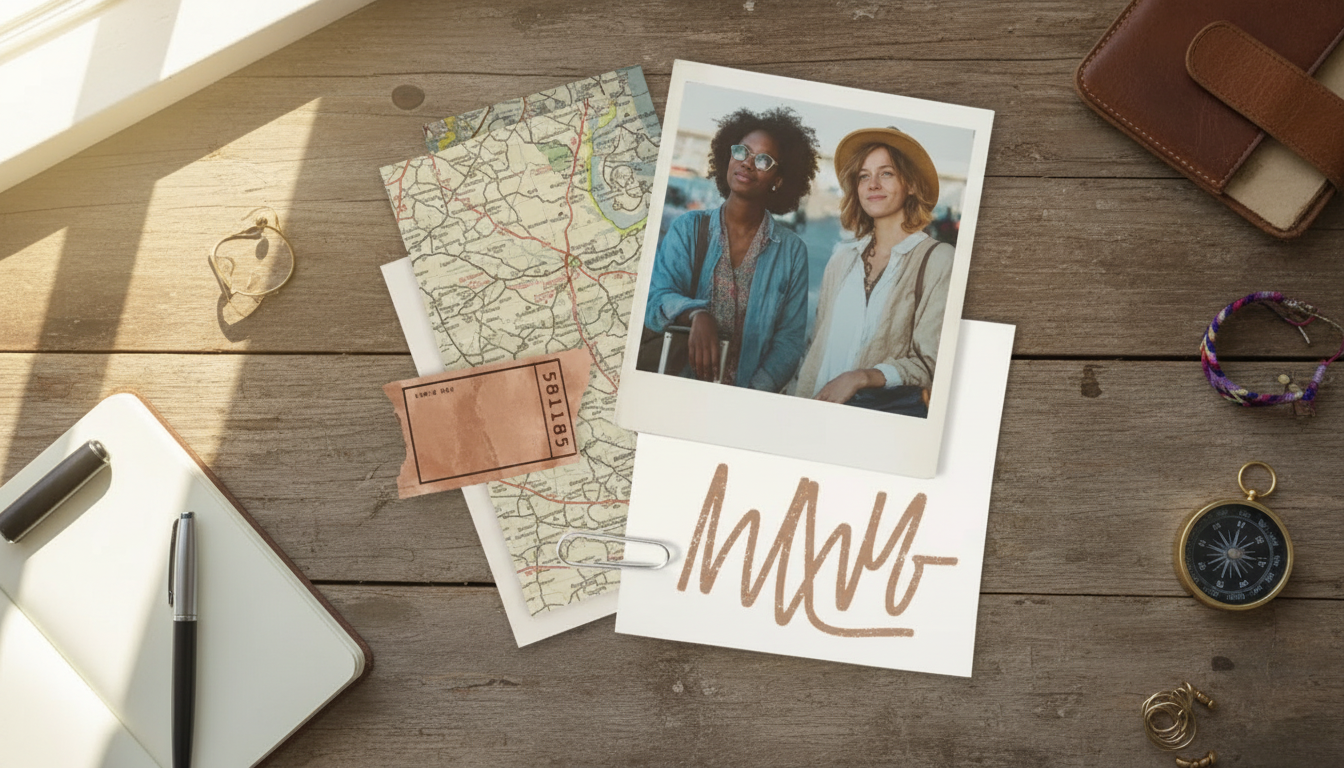
Solo travel doesn’t have to mean spending meals alone or keeping experiences to yourself. With a few repeatable habits—choosing social-friendly spaces, starting conversations naturally, and following up with intention—meeting people becomes easier in any city. This guide breaks down practical ways to turn brief encounters into genuine friendships while keeping safety, energy, and boundaries in balance.
The fastest way to feel connected while traveling alone is to stop treating every interaction like it has to “become something.” Instead, aim for micro-connections—small, real exchanges that make your day feel shared.
If social anxiety shows up, treat connection like a skill you practice—one small rep at a time—rather than a personality trait you either have or don’t.
Some places practically do the work for you. When the setting expects conversation, you don’t have to force it—and that makes you feel more relaxed and natural.
| Setting | Why it works | Easy next step |
|---|---|---|
| Free walking tour | Shared experience + natural small talk | Ask where they’re headed next and suggest a snack stop |
| Hostel/common lounge | People expect to chat | Offer to split a ride, share a map tip, or invite others to dinner |
| Cooking class | Teamwork + conversation prompts | Swap socials and plan a local market visit |
| Coworking space | Repeated contact over days | Ask what project they’re on and suggest a coffee break |
| Language exchange/meetup | Everyone came to talk | Join a table and ask for a local recommendation |
Good travel conversations don’t start with something clever—they start with what’s already happening. Keep it simple, situational, and open-ended.
A useful default script is: Observation → Question → Share. Example: “This line’s moving faster than I expected. What are you most excited to see inside? I’m hoping to catch the special exhibit before it closes.”
Friendships are built in the “next step,” not the first hello. The secret is to invite people to something that feels like the natural continuation of where you already are.
For broader travel safety guidance, check the CDC travel resources and the U.S. Department of State international travel information. For stress and coping tools that can help with social nerves, the APA stress management resources are also a helpful reference.
Choose low-pressure environments like walking tours, classes, and communal spaces, then use situational openers that fit what’s happening around you. Aim for short “adjacent invites” (coffee after the tour) and focus on curiosity rather than trying to perform.
Keep first meetups public and preferably daytime, limit personal details until trust builds, and consider group activities when possible. If someone pressures you, tries to isolate you, or ignores boundaries, end the interaction and leave.
Send a same-day message with a photo or shared moment, and add a future anchor like visiting each other’s cities or planning a reunion activity. Use low-effort check-ins over time and keep notes on names and locations so reconnecting is easy.



Leave a comment