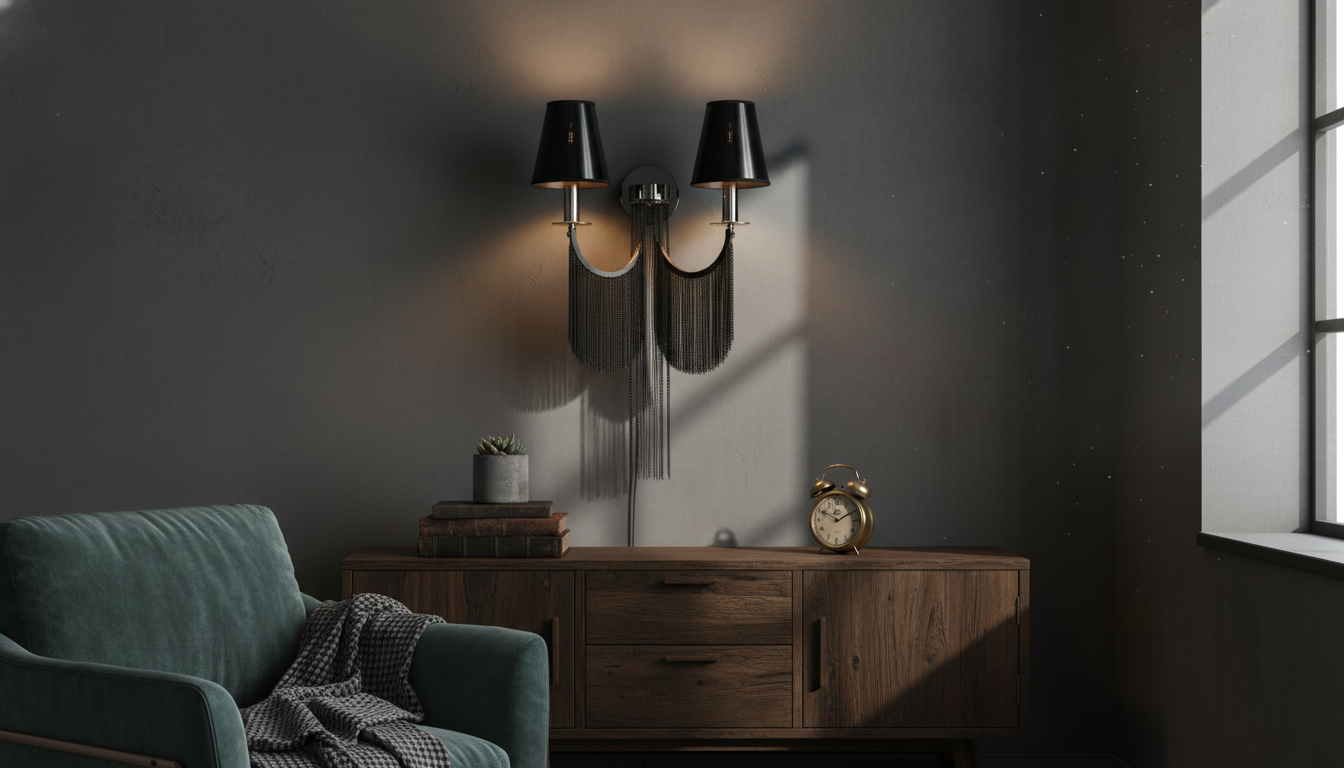
An industrial vintage tassel pendant light blends rugged metal presence with softer, decorative movement—making it a standout choice for dining areas, kitchen islands, entryways, and cozy reading corners. The result can feel both grounded and elevated: a fixture that brings structure overhead while adding a touch of texture at eye level. Below is a practical guide to choosing the right pendant, hanging it at the right height, and styling it so the space feels intentional rather than cluttered. For more guidance, see [PDF] jewels of the edwardians | gia.
This style succeeds because it mixes contrasts in a controlled way—hard lines with soft detail, heritage mood with modern simplicity. For further reading, see 1850-1859 | Fashion History Timeline.
A pendant can look perfect online and feel “off” at home if the scale, drop length, or bulb choice isn’t right. These are the details worth confirming before ordering.
| Placement | Suggested hanging height | What to prioritize |
|---|---|---|
| Dining table | Bottom of pendant about 30–36 in above tabletop | Glare control, dimming, centered alignment |
| Kitchen island | Bottom of pendant about 30–36 in above countertop | Task brightness, spacing between multiple pendants |
| Entryway / foyer | At least 7 ft clearance from floor (more for tall households) | Presence, welcoming warmth, safe clearance |
| Bedroom (bedside) | Typically 24–30 in above nightstand top | Soft glow, easy switching, low glare |
| Reading nook | Adjust to keep light aimed near seating area | Comfortable brightness, minimal shadowing |
A tassel pendant is a visual focal point, so sizing and placement matter as much as finish. Aim for a look that’s confident, not accidental.
The fixture sets the style, but the bulb determines the mood. Small changes—warmth, brightness, diffusion—can make the pendant feel cozy and finished instead of stark.
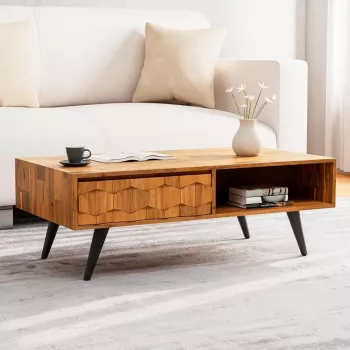
If the space needs one more grounding element beneath the glow, a warm-toned wood surface can help the look feel complete—consider a piece like the Stylish Wood Coffee Table to reinforce the reclaimed-wood-and-metal mix.
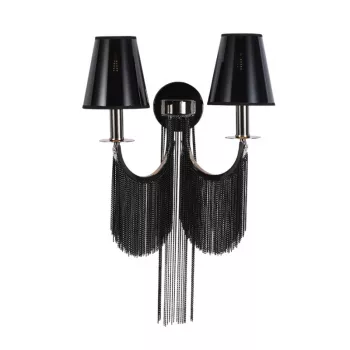
For a ready-to-style focal point, the Industrial Vintage Tassel Pendant Light is designed to bring texture and vintage character to dining areas, islands, and entry spaces. It shines when paired with warm bulbs and a dimmer—enough brightness for everyday use, plus an easy shift into a softer glow that highlights the tassel detail without overpowering the room. Place it where it can be appreciated from multiple angles, such as over a dining table, centered in a foyer, or anchoring a reading nook.
Common guidance is around 30–36 inches from the tabletop to the bottom of the pendant. Adjust slightly based on ceiling height, the fixture’s size, and whether anyone’s sightline feels blocked while seated.
Warm light—about 2200K to 2700K—enhances antique-inspired finishes and makes the space feel cozier. If the pendant is used for both entertaining and everyday tasks, a dimmable bulb adds flexibility.
Turn the power off first, then dust tassels gently with a microfiber cloth or soft brush. Avoid soaking the fibers; for the metal parts, use mild, non-abrasive cleaning and wipe dry to protect the finish.


Leave a comment