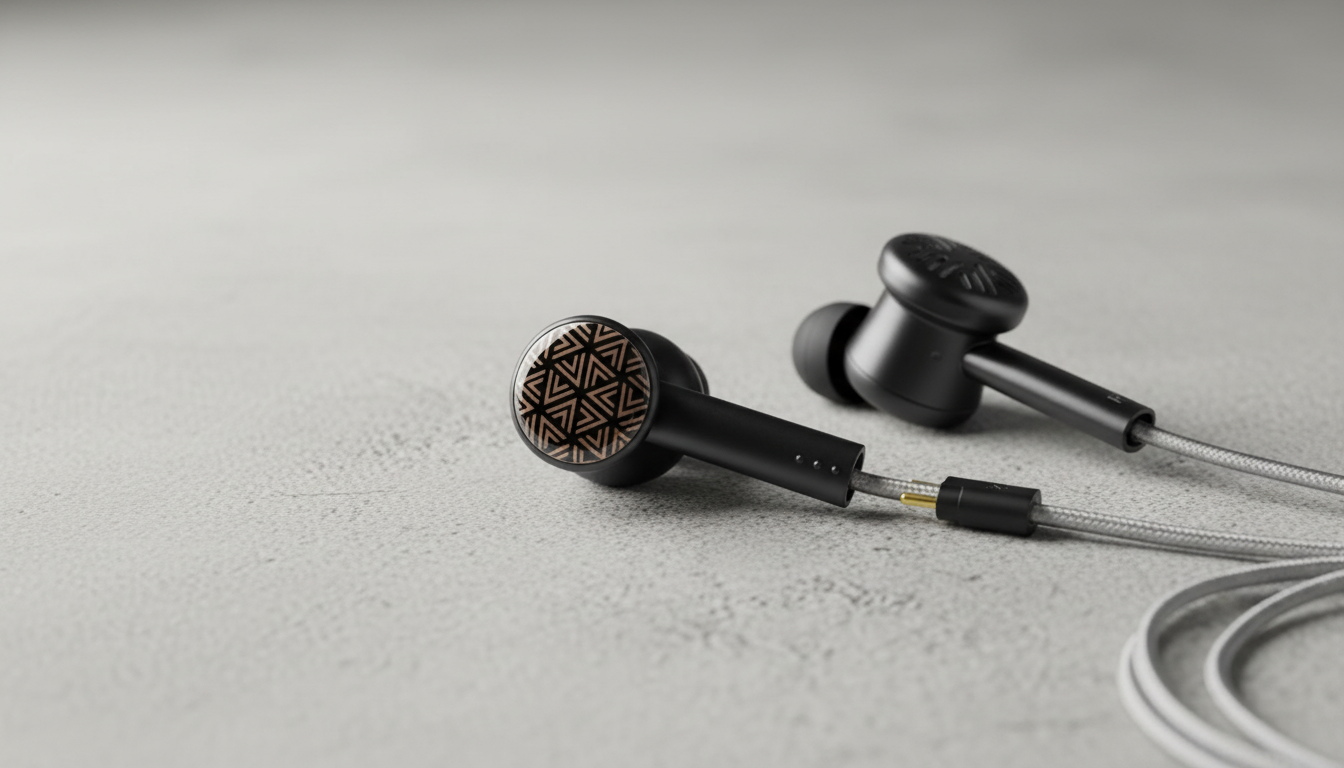
HiFi dynamic driver earbuds are built around a single moving-coil driver designed to deliver natural timbre, strong low-end impact, and an engaging, “live” presentation. The result can be a sound that feels cohesive from bass through treble—especially when the fit is dialed in. Below is a practical guide to what dynamic drivers tend to do well, how to judge tuning quickly, and how to get consistent performance for commuting, focused work, or relaxed listening.
A dynamic driver works by moving a diaphragm with a voice coil and magnet—similar in concept to a traditional speaker. Because it can push air efficiently, many listeners experience satisfying bass weight and a smooth sense of “one-piece” sound rather than a stitched-together presentation.
When comparing earbuds, it helps to separate what you’re hearing into a few easy buckets. Dynamic drivers are often prized for slam and macrodynamics, but the best sets also keep vocals clean and treble controlled.
| What to play | What to listen for | If it sounds off |
|---|---|---|
| Vocal-heavy acoustic track | Natural vocal tone, clear guitar plucks | Muffled vocals: seal issue or boosted bass |
| Kick-drum + bassline track | Tight punch with clean decay | Boomy bass: mid-bass bleed or shallow fit |
| Cymbals/hi-hats | Sparkle without sting | Sharp treble: try different tips or lower volume |
| Dense rock/EDM chorus | Instrument separation, no congestion | Crowded mix: excessive bass or upper-mid glare |
Earbuds can’t deliver their intended tuning without a stable seal. If bass feels weak or the sound turns thin the moment you move, the fix is often mechanical, not electronic.
Modern phones can sound good, but earbuds that scale well can benefit from a cleaner output stage. The goal isn’t “louder”—it’s steadier control and lower distortion at the same listening level.
For safe daily listening habits, the World Health Organization’s Make Listening Safe initiative and NIOSH guidance on noise exposure are solid starting points. For wireless background, see the Bluetooth SIG audio overview.
If the goal is an everyday set with the classic dynamic-driver combination of impact and cohesion, HiFi Dynamic Driver Earbuds are positioned as an easy daily-driver pick. The biggest performance boost typically comes from choosing the right tip size and getting a stable insertion first, then applying light EQ only if needed.
| Item | Price | Availability |
|---|---|---|
| HiFi Dynamic Driver Earbuds | $114.01 | In stock |
Neither is automatically better. Dynamic drivers often excel at bass weight and cohesive timbre, while balanced armatures can deliver strong detail and efficiency; overall tuning and fit usually matter more than the driver type alone.
This usually happens when the seal breaks due to jaw movement or shallow insertion. Try a different tip size or material (foam can help), aim for a deeper, more stable fit, and consider tips designed for better grip.
If you regularly need high volume to overcome your environment, it’s a sign to improve isolation or reduce background noise. Keep levels moderate, take listening breaks, and use good-sealing tips so you don’t have to crank the volume.







Leave a comment