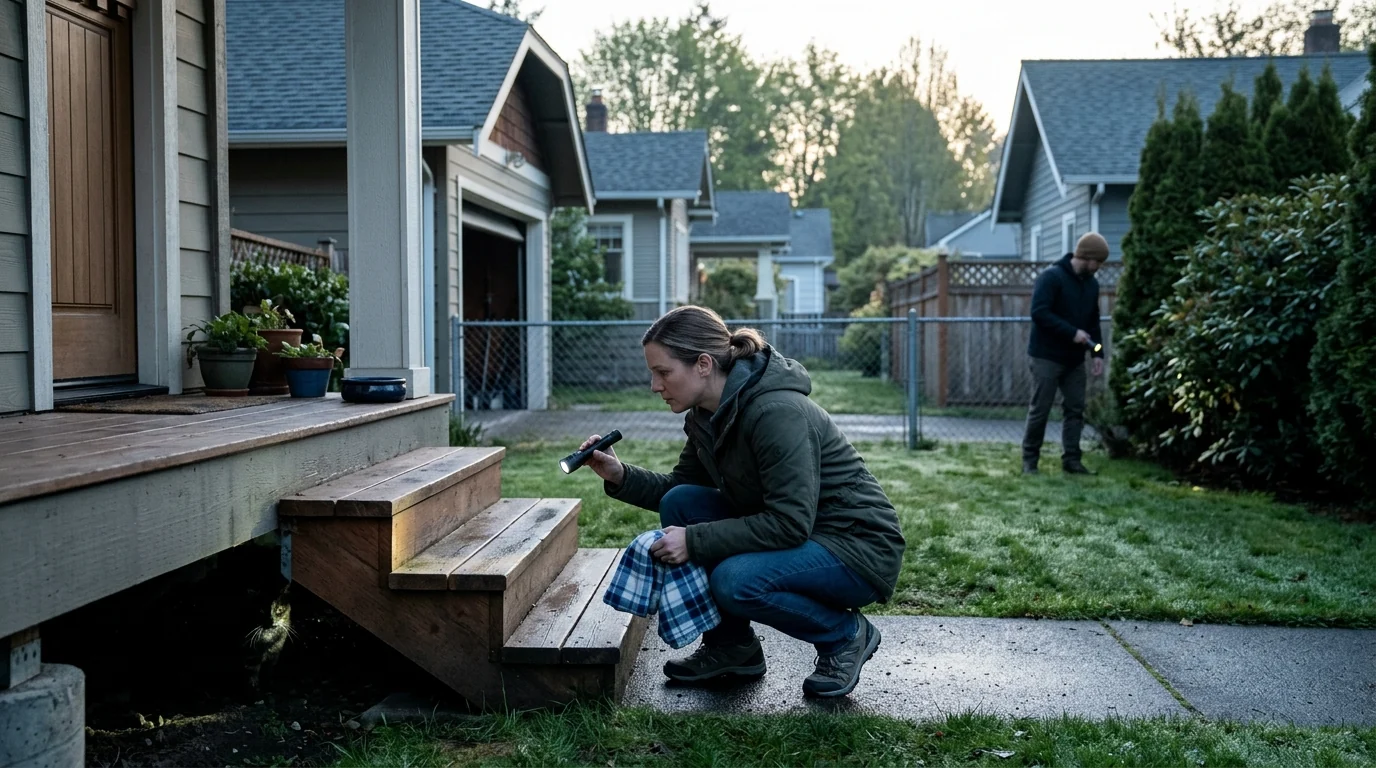
When a pet goes missing, the first hours matter—but panic wastes time. A calm, structured approach helps families cover the right ground, communicate clearly, and keep leads organized. The goal is simple: search efficiently, reduce noise and confusion, and increase the odds of a safe, stress-minimized reunion.
Before you sprint out the door, take a fast reset. Sixty seconds of breathing and a sip of water can prevent rushed decisions that scatter your effort. Then assign roles so tasks don’t overlap: one person calls and texts, one posts online, one handles flyers, and one does the first neighborhood check.
Next, gather essentials you’ll need repeatedly:
Create a simple search log right away—notes app, shared doc, or a paper sheet by the door. Record time, exact location, who checked it, and any sightings with contact names. If there are immediate hazards (busy roads, extreme heat/cold, nearby construction), prioritize those danger zones first to reduce risk.
Most pets are found close to where they slipped out, especially in the first hour. Start tight and systematic instead of driving miles away. Check likely hiding places before expanding outward—fearful pets often stay silent and tucked into shadows even when you’re nearby.
Use a calm voice and familiar sounds (treat bag shake, food bowl tap, favorite toy squeak). Avoid frantic running or shouting. If your pet is scared, chasing can push them farther away and make them harder to approach later.
Try a walk-and-pause method: move 30–60 yards, stop, listen, and scan. Repeat. Bring a flashlight even during daylight to catch eye-shine under porches, in shrubs, or inside garages.
| Task | Where to look | Why it helps |
|---|---|---|
| Perimeter sweep | Property edges, gates, fence gaps | Find escape route and likely direction |
| Hideout check | Sheds, porches, bushes, under cars | Scared pets often stay silent nearby |
| Sound/food cue | Quiet corners and alleyways | Encourages approach without pursuit |
| Road and trail scan | Nearby streets, sidewalks, paths | Catches moving pets early |
| Ask immediate neighbors | Next-door homes, yards, garages | Pets can be accidentally trapped or sheltered |
After the close sweep, expand with intention. Create search zones based on temperament:
Timing matters. Dawn and dusk are often best for sightings because it’s quieter and pets feel safer moving. Call softly, pause often, and listen for rustling, tags, or a faint meow.
Use scent strategically. Place a familiar item near home and set up a safe “waiting station” (bedding + water in a sheltered spot). Avoid leaving food unattended if it attracts wildlife or neighborhood animals that might scare your pet away.
Common mistakes to avoid: chasing, shouting, and sending a crowd into tight spaces. More people can be helpful when coordinated—but chaos can push an already frightened pet into flight mode.
Species clues can also shape your plan. Cats tend to stay in a tight radius and low, quiet places. Dogs are more likely to follow paths, roads, parks, and areas with people, trash cans, or other animals.
Notify nearby veterinary clinics and emergency vets. Found pets are often brought in to be scanned or treated, especially if they were near traffic or bad weather. If your pet is microchipped, confirm your registration is current and mark your pet as lost. The American Veterinary Medical Association (AVMA) and American Humane both emphasize keeping microchip contact info updated for it to work when it matters.
For broader preparedness and safety planning, the ASPCA’s preparedness guidance is a helpful reminder that planning ahead reduces panic during stressful events.
When emotions run high, a simple sequence can keep the search moving in the right direction. If you want a phone-friendly, printable reference that helps reduce guesswork, the Quick Search Tips for Finding Lost Pets eBook is designed around practical pacing, role assignment, and structured search steps that are easy to follow under stress.
For the human side of the situation—staying steady enough to make good decisions—keeping a small daily calming routine can help. The Essential Oils Relaxation Checklist offers a simple ritual guide that can support stress relief and calm living while you coordinate calls, flyers, and follow-ups.
Start with a calm, close-to-home sweep and check likely hiding spots before expanding outward. Gather photos and key details, assign roles, and begin a simple log to track sightings and locations checked.
No—chasing often makes a fearful pet bolt and can push them farther away. Use a calm voice, crouch or sit, offer high-value treats, and move slowly while keeping exits and traffic hazards in mind.
Many pets remain close during the first hours, especially shy animals that hide quietly. Stay concentrated nearby while collecting sightings, then widen the radius if leads don’t develop after about 48–72 hours.







Leave a comment