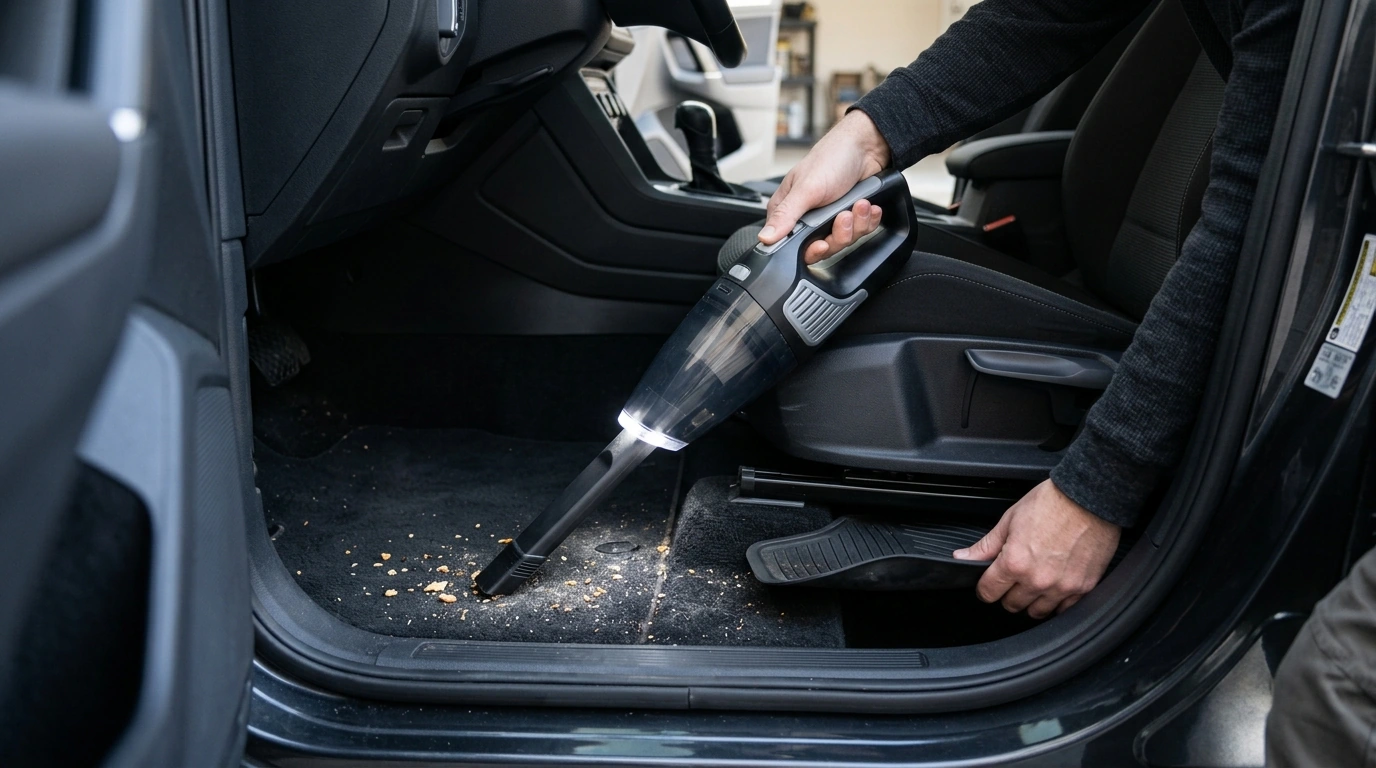
Quick cleanups feel easier when a handheld vacuum is strong enough for crumbs, pet hair, and car debris—without dragging out a full-size machine. This cordless handheld model pairs a bright LED light for dark corners with up to a 40-minute runtime for longer sessions around the home, car, and stairs. The goal is simple: reach tight spaces, spot hidden dust, and finish small-to-medium jobs in one charge. Below is a practical breakdown of what it’s designed to handle, where it shines most, and what to look for when comparing handheld vacuums for everyday use.
If you’re shopping for a grab-and-go option, see the Powerful Cordless Handheld Vacuum Cleaner with LED Light & 40-Min Runtime for a closer look at specs, pricing, and availability.
A handheld vacuum earns its keep when it handles the “little messes” before they become big ones. This type of cordless unit is built for fast response and close-quarters cleaning, especially where bulky machines slow you down.
For many homes, a cordless handheld is the “between deep cleans” tool—ideal for staying ahead of visible debris and keeping high-traffic zones looking tidy with minimal effort.
Two features make a noticeable difference in day-to-day use: lighting and freedom of movement. Together, they reduce the friction that often causes small messes to linger.
That visibility boost is especially helpful in cars, where dark fabric and tight footwells can hide grit. It’s also useful on stairs, where corners and edges tend to collect dust and pet hair.
Battery life is where handheld vacuums either feel effortless or frustrating. Up to 40 minutes of runtime can support longer touch-up sessions, like doing the whole car, cleaning stairs top to bottom, or hitting multiple rooms before you have to recharge.
For practical guidance on rechargeable battery habits, Battery University offers in-depth, consumer-friendly explanations that can help extend the life of cordless tools.
When comparing handheld vacuums for home and car use, it helps to evaluate features against the messes you deal with most often. Use the checklist below to spot the differences that affect daily performance.
| Feature | Why it matters | Practical notes |
|---|---|---|
| 40-minute runtime | Covers larger cleanup sessions without stopping | Best for car detailing or multiple rooms in one go |
| LED light | Makes dust and crumbs visible in low light | Especially helpful under furniture and car seats |
| Strong suction | Improves pickup of grit, pet hair, and embedded crumbs | Performance depends on airflow and filter condition |
| Attachments | Targets crevices, upholstery, and corners | Look for a crevice tool and brush for fabric surfaces |
| Filtration | Helps reduce recirculating fine particles | Regular filter cleaning supports consistent suction |
| Dust cup capacity | Reduces how often emptying is needed | Empty after heavy jobs to prevent clogs |
| Weight and grip | Affects comfort for stairs and above-floor cleaning | Lighter builds reduce wrist fatigue during longer sessions |
Handheld vacuums are specialists, not replacements for every cleaning tool. Used in the right situations, they feel fast and satisfying; used in the wrong ones, they can feel underpowered or inefficient.
If indoor air quality is a concern, filtration and consistent maintenance become even more important. The U.S. Environmental Protection Agency (EPA) indoor air quality resources provide helpful context on household particles and steps that can support cleaner air.
To pair a fast cleaning reset with a simple wind-down routine, you can also keep a low-effort digital guide on hand like the Essential Oils Relaxation Checklist – Simple Daily Ritual Guide.
For most cars, up to 40 minutes is typically enough for a thorough pass on seats, footwells, and crevices. Actual runtime depends on suction level, attachment choice, and whether airflow stays clear as the bin fills.
It highlights fine dust and crumbs in dim areas like under seats, along stair edges, and behind furniture. That added visibility helps reduce missed debris and repeat passes.
Light users can clean on a set schedule (such as weekly or biweekly), while heavy use or homes with pet hair may need more frequent cleaning. If suction drops or exhaust airflow feels weaker, the filter is often the first thing to check.




Leave a comment