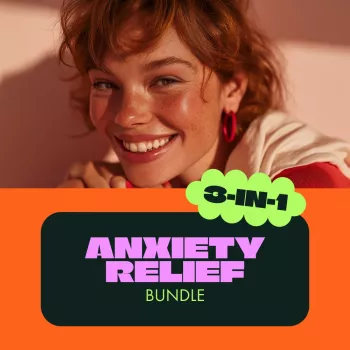
Feeling stuck in anxious loops can make even simple tasks feel heavy. A structured, step-by-step set of resources can help bring more steadiness to daily life by turning calming skills into small, repeatable routines. This bundle combines guides, eBooks, and checklists designed to support a calmer mind with practical prompts and easy-to-follow plans.
For general background on anxiety and common symptoms, see the National Institute of Mental Health (NIMH) overview of anxiety disorders and the American Psychological Association (APA) resources on anxiety.
What this toolkit is designed to support
- Create predictable calming routines when thoughts feel scattered or overwhelming
- Reduce mental clutter by using checklists and prompts instead of relying on memory in stressful moments
- Build coping skills that can be practiced in short sessions (5–15 minutes) and repeated daily
- Encourage reflection and tracking so progress is easier to notice over time
- Provide a portable, low-friction way to practice calming techniques at home, at work, or while traveling
What’s included in the 3-in-1 bundle
The Anxiety Relief Toolkit for a Calmer Mind: 3-in-1 Bundle with Guides, eBooks & Checklists is built around three formats that work well together:
- Guides: structured instructions for applying calming strategies and building consistent habits
- eBooks: deeper explanations, examples, and supportive reading for learning and reinforcement
- Checklists: quick-reference steps for stressful moments, daily routines, and habit tracking
- Format benefits: written resources can be revisited anytime and used at a pace that feels manageable
- Best use case: keep a few core checklists accessible (phone/tablet/printed) for fast support during spikes
How the bundle components can fit into a weekly routine
| Component |
When to use it |
Goal |
| Quick checklists |
In-the-moment anxiety spikes or busy days |
Follow simple steps without overthinking |
| Guides |
2–3 times per week (10–20 minutes) |
Learn a method and set up a routine |
| eBooks |
Evenings or weekends at a comfortable pace |
Build understanding and reinforce skills |
A simple 7-day starter plan (low-pressure, repeatable)
The easiest routines are the ones that still work when energy is low. This starter plan keeps the “dose” small so it’s more likely to stick.
- Day 1: Choose one checklist for “right now” support; practice it once when calm to learn the steps
- Day 2: Add a 5-minute breathing or grounding practice from a guide; repeat at the same time of day
- Day 3: Use a short reflection prompt to spot common triggers (situations, body sensations, thoughts)
- Day 4: Build a “calm kit” routine: pick 2 techniques (one body-based, one mind-based) and pair them
- Day 5: Try a thought-reframing exercise or journaling prompt when worry appears; keep it brief
- Day 6: Review what helped most; simplify the routine so it’s easier to sustain on busy days
- Day 7: Set a realistic weekly cadence (example: 3 checklist uses + 2 guide sessions + 1 reading session)
Core calming skills the resources typically reinforce
- Grounding: orienting to the present moment using senses (sight, sound, touch) when spiraling starts
- Breathing practices: slower breathing patterns that can help reduce physiological arousal
- Progressive muscle relaxation: releasing tension to reduce the “wired” body feeling
- Thought tools: identifying anxious predictions and shifting toward more balanced, evidence-based thoughts
- Behavior supports: breaking avoidance cycles with small, safe steps and gentle exposure planning
- Consistency strategies: habit cues, tracking, and “minimum viable” routines for difficult days
When these skills are written out as steps, it can be easier to practice them even when focus is scattered—especially if the first step is simple enough to start immediately (for example: “plant both feet” or “exhale slowly for 6 seconds”).
How to make the toolkit work on high-anxiety days
- Use the shortest checklist first: commit to one small step (example: one minute of breathing) before deciding anything else
- Reduce choices: pre-select 2 go-to techniques so decision fatigue doesn’t add stress
- Pair skills: combine a body-based technique (breathing or muscle relaxation) with a brief grounding step
- Track only one metric: note intensity from 1–10 or one sentence about what helped; keep it simple
- Plan for relapse days: progress often looks like returning to the routine faster, not never feeling anxious
A practical rule: if the plan requires “feeling motivated,” it’s too complicated for a spike. A checklist that takes under two minutes to begin is often the most useful entry point.
Who this bundle can be a good fit for
Optional pairing: add a simple relaxation ritual checklist
For some people, it helps to have a second, “wind-down” routine that signals the nervous system that the day is shifting into rest. A complementary option is the Essential Oils Relaxation Checklist – Simple Daily Ritual Guide Featuring the best essential oils for relaxation for Stress Relief, Sleep & Calm Living.
When to seek extra support
FAQ
How quickly can calming tools start to help?
Some techniques (like slower breathing or grounding) can reduce intensity within minutes, while lasting change usually comes from consistent practice over weeks. Starting with one short daily routine tends to be more sustainable than trying to overhaul everything at once.
Is this bundle a substitute for therapy or medication?
No. It’s a self-guided support resource, not medical care, and it can’t diagnose or treat anxiety disorders. For persistent or severe symptoms, professional support and coordination with a clinician are important.
What if checklists feel overwhelming during an anxiety spike?
Use a single “minimum step” checklist (one minute or less) and limit yourself to 1–2 tools you’ve practiced when calm. Keeping the steps short and repeatable helps reduce pressure and makes it easier to restart.
Recommended for you






Leave a comment