HomeBlogBlogAI Pet Health Tracking: 7-Day Baseline + Daily Checklist

AI Pet Health Tracking: 7-Day Baseline + Daily Checklist

AI Pet Health Tracking: 7-Day Baseline + Daily Checklist

Using AI to Track Your Pet’s Health: A Practical Checklist for Smart Pet Owners

Small changes in appetite, sleep, activity, and bathroom habits often show up before a bigger health issue does. AI tools can help spot patterns earlier by organizing daily notes, analyzing trends from photos or wearable data, and turning observations into clearer questions for a veterinarian. The goal isn’t to “let AI decide”—it’s to build a simple, repeatable checklist that creates a baseline, highlights meaningful changes, and helps you communicate clearly when something feels off.

What AI Can (and Can’t) Do for Pet Health Tracking

Used well, AI is a practical assistant for pattern recognition and organization—especially when life gets busy and details blur together.

  • Helpful for: organizing daily observations, summarizing patterns, flagging unusual changes, interpreting trend lines from wearables, and drafting vet-ready timelines.
  • Not a replacement for: diagnosis, emergency decisions, medication adjustments, or ignoring your “gut feeling” when something seems wrong.
  • Best use: pair AI summaries with consistent inputs (same time of day, same scale, similar lighting for photos).
  • Privacy basics: avoid sharing personally identifying info in AI chats; store photos and logs securely; prefer tools that allow data export and deletion.

For general pet-care guidance and preventive best practices, the American Veterinary Medical Association (AVMA) pet care resources are a solid reference point.

Set a Baseline in 7 Days

A baseline turns “normal for my pet” into something you can measure. That makes it easier to tell the difference between a harmless off day and a real trend that needs attention.

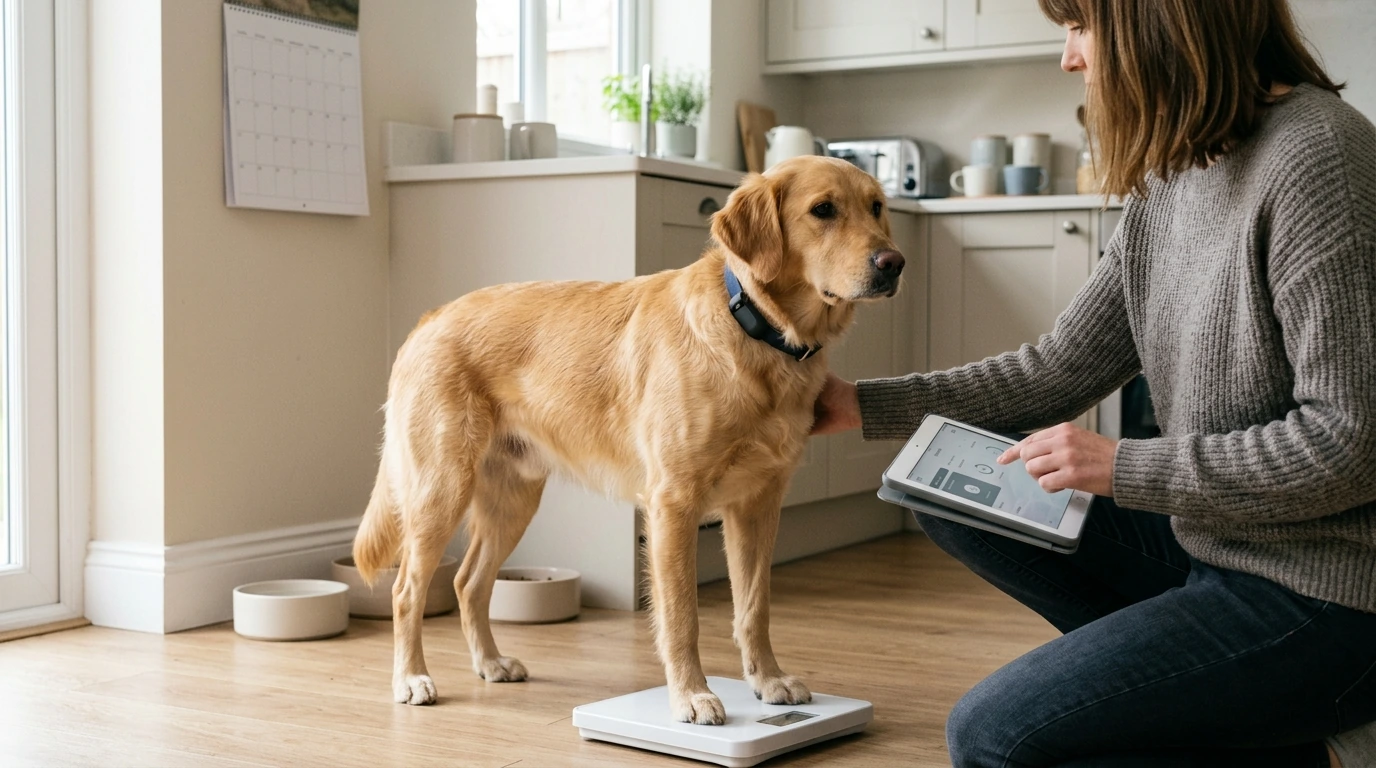
  • Record daily weight (if feasible), appetite, water intake, stool quality, urination frequency, energy level, and sleep patterns for one week.
  • Capture 2–3 clear photos in consistent lighting: full body side view, top view, and a close-up of any ongoing issue (skin, eyes, ears).
  • Note routine context: feeding schedule, exercise duration, treats, new foods, grooming products, and any household changes.
  • If using a wearable: confirm fit, check battery routine, and ensure the app is logging consistently before relying on trends.
  • Create a “normal range” for your pet: typical meal completion time, average daily steps/playtime, and usual bathroom frequency.

7-Day Baseline Snapshot (Example Fields to Track)

Category What to record Why it matters How AI can help
Appetite Amount eaten, speed of eating, treats Changes can signal dental pain, GI upset, stress Summarize trends and highlight sudden drops or spikes
Hydration Water refills, thirst level, wet food vs dry Increases may relate to endocrine/kidney issues Spot gradual increases over days or weeks
Bathroom Stool consistency, frequency; urination frequency GI, infection, hydration issues often appear here Convert notes into a clear timeline for the vet
Activity Walk/play duration, steps, stiffness Pain or illness may reduce movement Compare today vs baseline and flag deviations
Skin/coat Itching, redness, dandruff, shedding changes Allergies, parasites, endocrine issues Organize photos by date and detect progression

Daily Checklist: 3 Minutes Morning + 3 Minutes Evening

The most effective system is the one you’ll actually do. Keep it short, repeatable, and focused on what changes first when a pet isn’t feeling well.

  • Morning quick scan: energy level, posture, breathing effort, and willingness to move.
  • Meals: track appetite (finished, partial, refused), vomiting/regurgitation, and any new treats or foods.
  • Hydration: note unusually empty water bowl, increased drinking, or changes in wet food intake.
  • Bathroom: log stool quality, mucus/blood, accidents, straining, and changes in urination frequency.
  • Body check: ears (odor/redness), eyes (discharge/cloudiness), skin (hot spots), paws (licking/lameness).
  • Evening recap: activity minutes, play interest, coughing/sneezing, and restlessness at night.

If something unusual shows up, add one detail that helps later: “when it started” and “how many times.” That simple timestamping is what makes AI summaries and vet conversations truly useful.

Weekly Checklist: Trends, Photos, and Preventive Care

  • Weigh-in (same scale, same time): note any steady gain or loss.
  • Photo check-in: repeat the same angles to spot body condition or coat/skin changes.
  • Review wearable/app charts: look for sustained dips in activity, disrupted sleep, or rising resting respiratory rate (if available).
  • Grooming and parasite checks: coat comb-through, tick/flea check, ear and dental inspection.
  • Update medication/supplement log: doses, missed doses, and any observed side effects.

For nutrition-related context and how diet changes fit into overall health, the WSAVA Global Nutrition Toolkit is a reputable, veterinarian-aligned resource.

How to Use AI Safely and Effectively

If toxin exposure is even a possibility, go straight to reliable guidance and urgent help. The ASPCA Animal Poison Control lists common household hazards and escalation steps.

Red Flags That Should Trigger a Vet Call

Make the System Stick: Simple Habits for Busy Households

Helpful Downloads and Checklists

FAQ

What’s the simplest way to start using AI to track a pet’s health?

Start with a 7-day baseline using the same categories daily (appetite, water, bathroom, activity, sleep, skin/coat). Then paste weekly logs into an AI tool to summarize changes and produce a short list of follow-up observations to track.

Can AI diagnose what’s wrong with my pet from symptoms or a photo?

No—AI can help organize observations and suggest possibilities to discuss, but it cannot confirm a diagnosis. Use a veterinarian for diagnosis, and treat urgent symptoms as an emergency rather than a research task.

What data is most useful for a veterinarian if something changes?

A concise timeline matters most: onset, frequency, triggers, diet changes, meds/supplements, stool/urination details, weight trend, and dated photos. If you use a wearable, include any notable shifts in activity or sleep compared with baseline.

Was this article helpful?

Yes No
Leave a comment
Top

Yay! 10% Off Just for You!

Join our community and enjoy 10% off your first order. Subscribe for exclusive deals!

Shopping cart

×