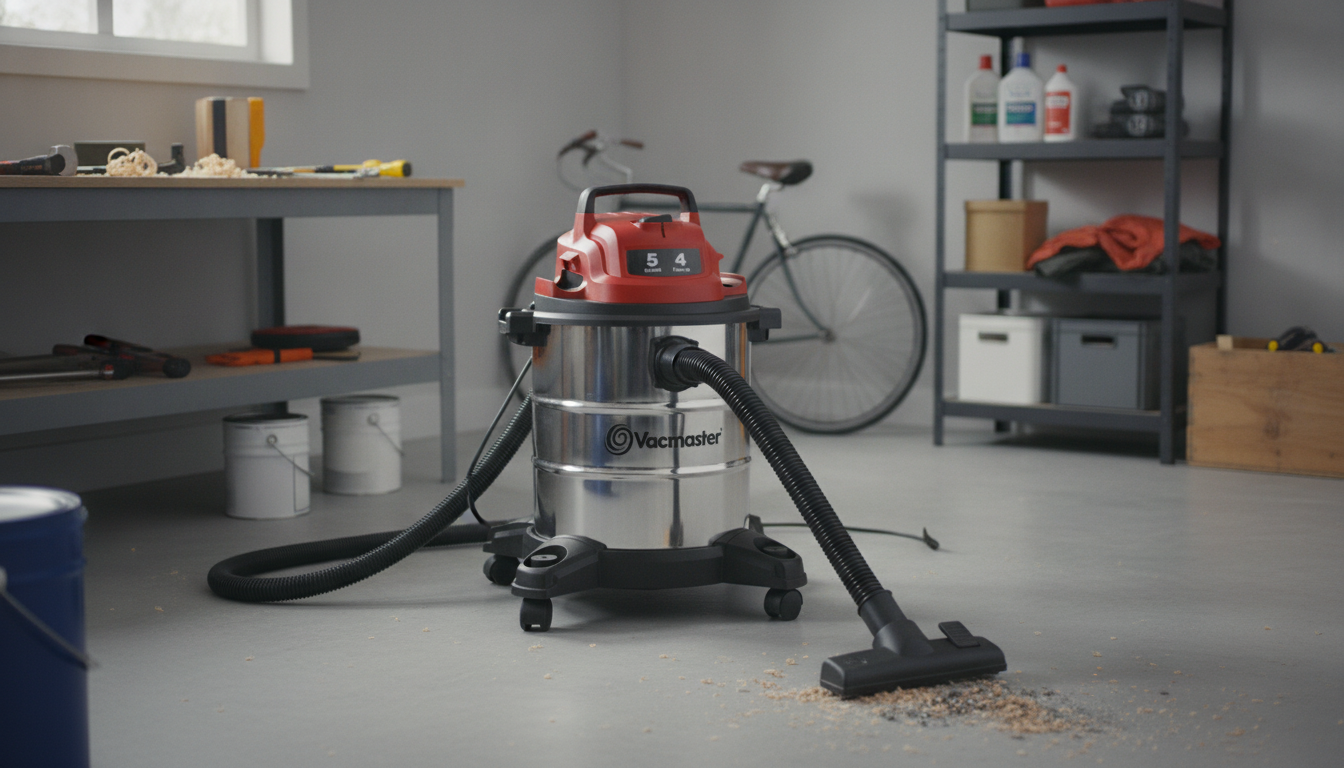
A 5-gallon wet/dry vacuum with a blower function is built for the messy mix of dust, debris, and spills that regular household vacuums aren’t designed to handle. The sweet spot is versatility: enough capacity for everyday garage and home-project cleanup, while still being small enough to carry, store, and pull out quickly. Below are the most practical places it shines, the features that make a compact model feel genuinely “powerful,” and the best ways to run wet pickup and blower mode safely. For more guidance, see Top 10 Best Wet-Dry Vacuums In 2017 – Boston Workers Alliance.
On paper, many shop-style vacuums look similar. In day-to-day use, “powerful” is less about a single spec and more about how efficiently the vacuum moves air, seals, and transitions between tasks. For further reading, see Best Wet/Dry Vacuum Buying Guide – Consumer Reports.
| Feature | Why it matters | What to check before buying/using |
|---|---|---|
| 5-gallon tank | Good balance of capacity and portability | Comfort carrying when full; easy-to-empty design |
| Wet pickup capability | Handles spills and small puddles that damage standard vacuums | Correct wet-use setup (filter/foam sleeve as directed) and secure seals |
| Dry pickup performance | Daily debris, dust, and workshop mess | Appropriate dry filter; dust containment when emptying |
| Blower function | Clears leaves and debris from corners, steps, and garage bays | Easy port switching; nozzle options for direction control |
| Accessory compatibility | Makes detailing and edge cleanup easier | Crevice tool, floor nozzle, brush attachments, extension wands (as needed) |
| Storage and mobility | Faster setup and less clutter | On-board storage, stable stance, easy rolling or carry handle |
If you’re dealing with anything beyond a minor mishap—especially contaminated water—follow public safety guidance. The CDC’s flood cleanup recommendations offer a good baseline for safe handling: https://www.cdc.gov/disasters/floods/cleanup.html.
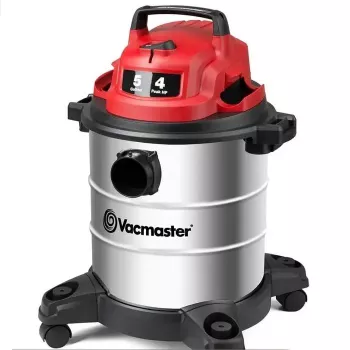
If you want one compact unit to cover dry debris, small wet messes, and quick blow-out jobs, the Powerful 5-Gallon Wet Dry Vacuum with Blower is designed for that mix of tasks—especially around garages, vehicles, patios, and utility spaces.
| Item | Detail |
|---|---|
| Product | Powerful 5-Gallon Wet Dry Vacuum with Blower |
| Capacity | 5 gallons |
| Availability | In stock |
| Price | $77.17 USD |
Yes—for small spills and puddles when the vacuum is configured for wet pickup. Use a GFCI-protected outlet, avoid hazardous liquids, and empty the tank before it becomes too heavy to carry safely.
The hose connects to the blower port instead of the suction port so the vacuum pushes air out. Use a directed nozzle when possible and wear eye protection when moving debris from cracks and corners.
Use the dry filter recommended for the unit and clean or replace it when airflow drops. Avoid using a wet-only setup for fine dust, since it can reduce capture and lead to messy emptying.





Leave a comment