12-Digit Mechanical Calculator with Large LCD and Candy-Color Buttons
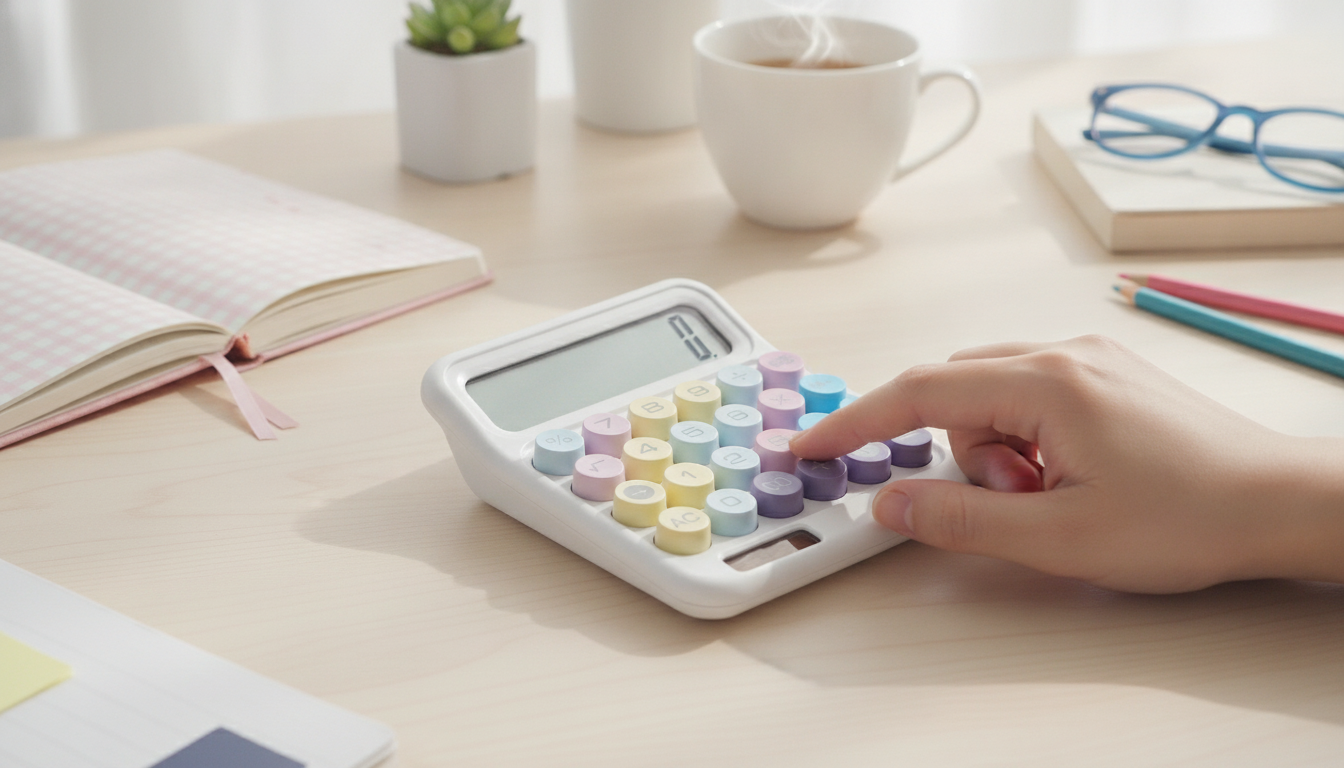
A desk calculator should be fast to read, comfortable to press, and easy to keep within reach for everyday math—whether that’s budgeting, homework, or quick totals at work. This 12-digit mechanical calculator pairs a large LCD with big, tactile buttons in candy colors for a cheerful, practical desktop essential. For more guidance, see Calculators Desktop Colorful Mechanical Calculator – 12-Digit ….
At a Glance
- 12-digit display for larger totals and multi-item calculations
- Large LCD helps reduce squinting in bright or dim rooms
- Big buttons improve speed and accuracy, especially for frequent entry
- Candy-color button design adds visual organization and personality to a workspace
Quick Specs
| Feature |
Details |
| Display |
Large LCD, 12-digit capacity |
| Key style |
Large, easy-press mechanical buttons |
| Use cases |
Home budgeting, office totals, student homework, small business receipts |
| Design |
Candy-color button look; desktop-friendly form factor |
If you want a dedicated calculator that’s always ready on your desk, see the 12-Digit Mechanical Calculator with Large LCD, Big Buttons & Candy Colors. For further reading, see [PDF] 5-Digit 30-Char Truncation – Pinellas County.
What Makes a Mechanical-Button Desk Calculator Feel Better to Use
- Tactile feedback: Mechanical-style key travel can help confirm entries without needing to look down after every press, which is especially helpful when you’re copying numbers from receipts or a spreadsheet.
- Spacing and key size: Larger keys help reduce mis-presses during fast input (useful for long lists of numbers where one wrong digit can throw off an entire run).
- Stable desktop use: A desk calculator is meant to stay put, making it quicker than waking a phone, opening an app, and trying not to lose your place.
- Clear viewing angle: A large LCD is easier to read from a typical seated posture, so totals are simpler to verify before moving to the next line.
For background on how calculators evolved into everyday tools, Britannica’s overview is a solid primer: Encyclopaedia Britannica — Calculator. For a more modern history note, see IEEE Spectrum — The Calculator Turns 50.
Everyday Tasks This Calculator Handles Well
- Budgeting and bill tracking: Add up categories, totals, and balances without juggling multiple screens. A 12-digit capacity is handy when you’re combining several months, accounts, or line items.
- Work and retail basics: Quick sums for invoices, orders, inventory counts, or cash drawer checks—especially when you need to verify numbers quickly and move on.
- School support: Arithmetic practice, checking homework, and quick verification for worksheets. Big buttons are easier for repeated drills and reduce “fat-finger” errors.
- Kitchen and craft math: Scaling recipes, conversions, and materials planning when a phone is messy or inconvenient (think flour, paint, or glue on your hands).
Large LCD Benefits for Comfort and Fewer Mistakes
- Improved readability: Larger digits are easier to confirm at a glance before committing to the next entry—useful when you’re transcribing long numbers or double-checking totals.
- Better for shared spaces: In an office, classroom, or family desk zone, others can verify a result without picking the calculator up and changing the viewing angle.
- Reduced rework: Clearer viewing helps catch a missed digit early, which matters most on long addition runs where a single mistake can be hard to trace.
Candy-Color Buttons: Practical Beyond Style
- Visual separation: Color can make the layout feel easier to scan, helping your eyes quickly return to the number pad or operation keys during repetitive entry.
- Desk mood boost: A bright, playful palette can make routine admin tasks feel less monotonous—useful when you’re tackling weekly receipts, end-of-month budgeting, or homework checks.
- Gift-friendly: A cheerful design works well for students, teachers, office kits, and new-desk setups where practical tools should still feel personal.
Where This Fits on a Desk (and How to Set It Up)
- Placement: Put it on your dominant-hand side with a notepad just above it to reduce hand travel between writing and keying in numbers.
- Glare control: Angle it to avoid overhead glare on the LCD; a slight rotation often improves contrast more than changing brightness in the room.
- Receipt workflow: Keep a pen cup, binder clip, or small tray nearby so receipts and scratch paper don’t drift—especially during multi-line totals.
- Consistency: If you tally frequently, use a simple routine (date, source, total, category) so you can spot missing entries later without redoing the math.
Care and Longevity Tips
Choosing the Right Desk Calculator for Your Routine
Common Calculator Types Compared
| Type |
Best for |
Trade-offs |
| Desk calculator with big buttons |
Fast entry, frequent totals, shared viewing |
Takes more desk space than pocket models |
| Pocket calculator |
On-the-go quick math |
Smaller keys and display can slow input |
| Phone calculator app |
Occasional calculations |
Distractions, harder to verify long entry sequences |
Desk-Friendly Add-Ons for Staying Organized
If you’re using a calculator to support daily execution—quotes, targets, checklists, and quick scorekeeping—pairing it with a simple action plan can help you stay consistent. Consider Fuel Up & Fire Ahead: Your Entrepreneur Quote Action Checklist as a lightweight companion for planning sessions, weekly reviews, and progress tracking.
FAQ
Is a 12-digit calculator necessary for everyday use?
A 12-digit display is helpful when you’re adding multiple line items, working with larger budgets, or totaling invoices, because it reduces the chance you’ll run out of display space mid-calculation. It’s also convenient for quickly confirming longer numbers without truncation.
Do big buttons actually help prevent mistakes?
Yes—larger keycaps and clearer spacing can reduce accidental presses, especially during fast entry. Tactile feedback also makes it easier to confirm each input without constantly looking down.
How can the LCD be made easier to read under bright lights?
Adjust the calculator’s angle to reduce glare and move it away from direct overhead reflections. Even ambient lighting and a slight rotation on the desk often improve contrast immediately.
Recommended for you







Leave a comment