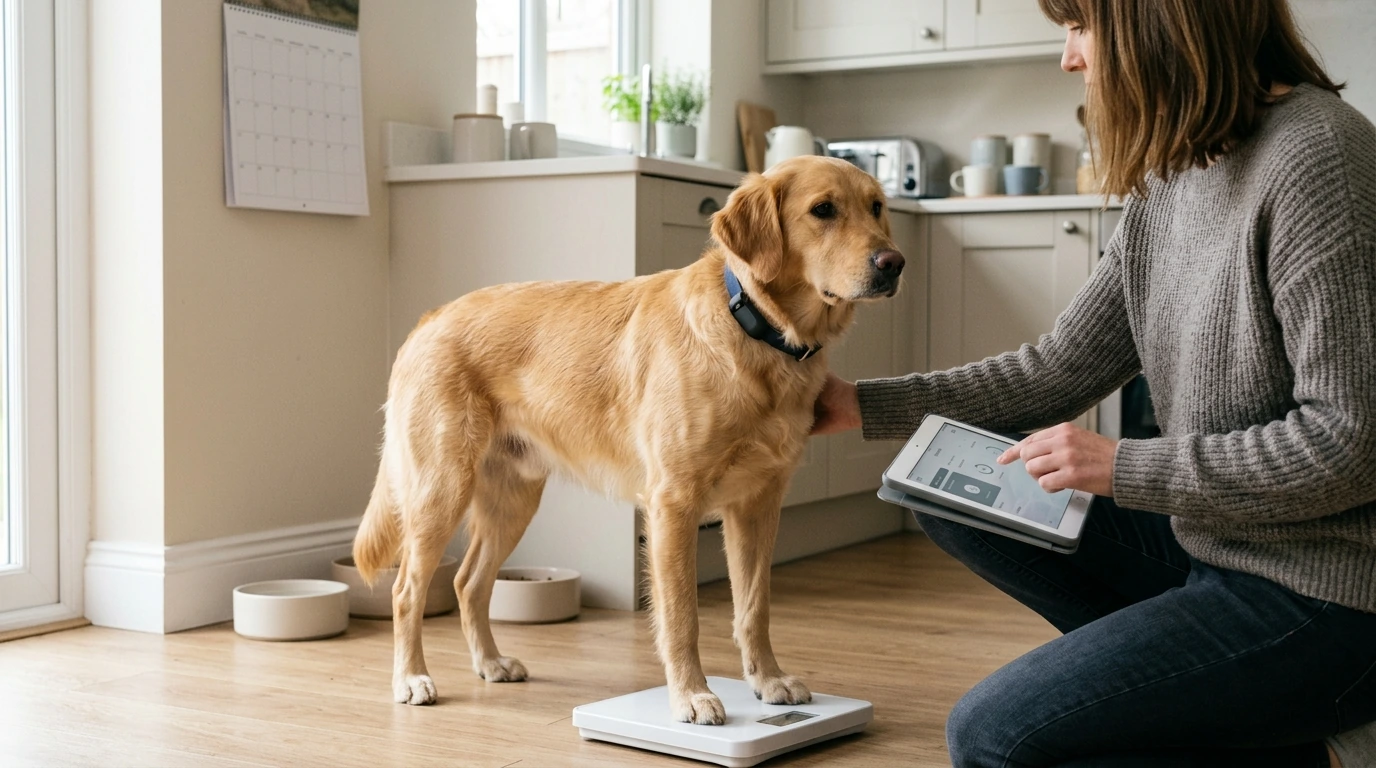
Small changes in appetite, sleep, activity, and bathroom habits often show up before a bigger health issue does. AI tools can help spot patterns earlier by organizing daily notes, analyzing trends from photos or wearable data, and turning observations into clearer questions for a veterinarian. The goal isn’t to “let AI decide”—it’s to build a simple, repeatable checklist that creates a baseline, highlights meaningful changes, and helps you communicate clearly when something feels off.
Used well, AI is a practical assistant for pattern recognition and organization—especially when life gets busy and details blur together.
For general pet-care guidance and preventive best practices, the American Veterinary Medical Association (AVMA) pet care resources are a solid reference point.
A baseline turns “normal for my pet” into something you can measure. That makes it easier to tell the difference between a harmless off day and a real trend that needs attention.
| Category | What to record | Why it matters | How AI can help |
|---|---|---|---|
| Appetite | Amount eaten, speed of eating, treats | Changes can signal dental pain, GI upset, stress | Summarize trends and highlight sudden drops or spikes |
| Hydration | Water refills, thirst level, wet food vs dry | Increases may relate to endocrine/kidney issues | Spot gradual increases over days or weeks |
| Bathroom | Stool consistency, frequency; urination frequency | GI, infection, hydration issues often appear here | Convert notes into a clear timeline for the vet |
| Activity | Walk/play duration, steps, stiffness | Pain or illness may reduce movement | Compare today vs baseline and flag deviations |
| Skin/coat | Itching, redness, dandruff, shedding changes | Allergies, parasites, endocrine issues | Organize photos by date and detect progression |
The most effective system is the one you’ll actually do. Keep it short, repeatable, and focused on what changes first when a pet isn’t feeling well.
If something unusual shows up, add one detail that helps later: “when it started” and “how many times.” That simple timestamping is what makes AI summaries and vet conversations truly useful.
For nutrition-related context and how diet changes fit into overall health, the WSAVA Global Nutrition Toolkit is a reputable, veterinarian-aligned resource.
If toxin exposure is even a possibility, go straight to reliable guidance and urgent help. The ASPCA Animal Poison Control lists common household hazards and escalation steps.
Start with a 7-day baseline using the same categories daily (appetite, water, bathroom, activity, sleep, skin/coat). Then paste weekly logs into an AI tool to summarize changes and produce a short list of follow-up observations to track.
No—AI can help organize observations and suggest possibilities to discuss, but it cannot confirm a diagnosis. Use a veterinarian for diagnosis, and treat urgent symptoms as an emergency rather than a research task.
A concise timeline matters most: onset, frequency, triggers, diet changes, meds/supplements, stool/urination details, weight trend, and dated photos. If you use a wearable, include any notable shifts in activity or sleep compared with baseline.




Leave a comment