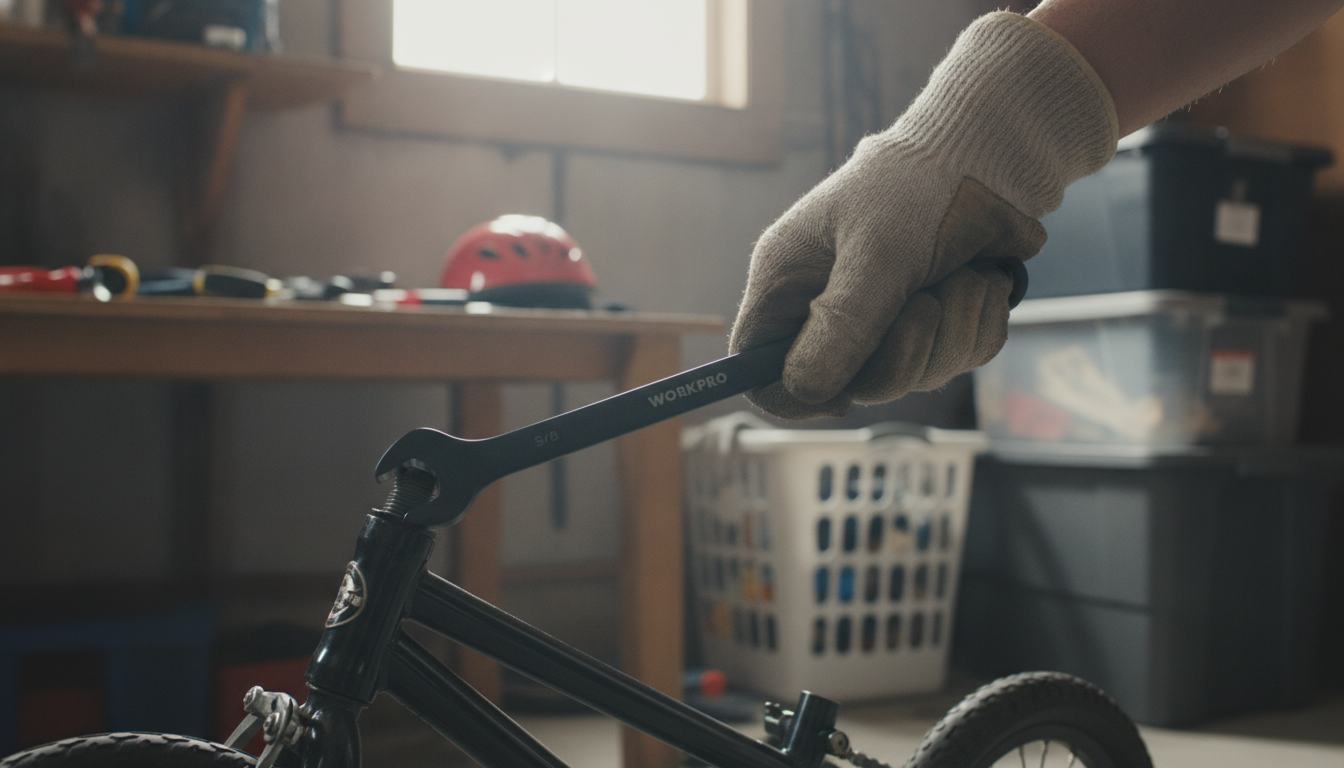
An anti-slip wrench is built to keep its grip on the fastener under real-world torque—especially when the bolt head is slightly rounded, oily, painted, or rusted. Instead of relying on broad, flat contact that can skate off corners, an anti-slip design increases controlled “bite” and distributes pressure so the tool stays seated as you pull.
The biggest difference is the contact pattern. Standard wrenches often load the corners of a hex fastener, which is exactly where rounding starts. Anti-slip designs shift force away from the corners and toward the flats, using shaped profiles, tighter tolerances, or cam-style geometry to wedge onto the fastener as torque increases. That reduces the chance of the wrench slipping and chewing up the head.
On anti-slip ratcheting wrenches, the box end typically has a profile meant to maintain more consistent contact through the ratcheting cycle. A small swing arc helps in tight spaces, but the anti-slip advantage comes from the internal shape that stays locked onto the fastener rather than riding up and off under load.
Anti-slip isn’t only about the head. A quality finish and well-machined surfaces help the wrench seat cleanly without “floating” on burrs. Many sets also add handle features—like subtle texturing, contouring, or thicker beams—so your hand doesn’t slip when applying force, which helps keep the wrench aligned on the fastener.
A wrench can slip even with a great profile if the tool flexes. Strong alloy steel and proper heat treatment help the head resist spreading under high torque. Less flex means the wrench stays tight on the fastener instead of loosening mid-pull.
For a closer look at how these features come together in a practical tool, see the full guide here: https://fancinella.com/guide-9-piece-anti-slip-ratcheting-wrench-set-sae-metric-8-19mm/.
Yes. Many anti-slip profiles are designed to load the flats instead of the corners, which can improve grip on partially rounded fasteners and reduce further damage when turning.







Leave a comment