Self-soothing is a learnable set of skills that helps kids move from big feelings to steadier states with growing independence. With predictable routines, simple body-based tools, and supportive language, children can build emotional regulation that carries into school, friendships, and family life. This guide breaks the process into clear steps, age-appropriate strategies, and a calm routine framework that can be practiced daily.
Self-soothing is the ability to shift from dysregulated to regulated using safe, healthy strategies—like breathing, movement, sensory input, and connection. It’s not about forcing “calm down” compliance or shutting feelings off. Kids still need validation, guidance, and (often) an adult to help them borrow calm until their own skills catch up.
Why it matters: steady self-soothing skills can reduce escalation cycles, support smoother sleep transitions, and improve attention and learning. Over time, children gain confidence that feelings are manageable and temporary.
Co-regulation comes first. A calm adult nervous system helps a child’s nervous system settle—especially for toddlers and during high-intensity moments. Independence grows with repetition, not pressure.
Most meltdowns have a “ramp-up.” Catching that early window makes calming faster and less exhausting for everyone. Common cues include clenched hands, a louder voice, whining, withdrawing, pacing, rapid breathing, irritability, or repetitive questions.
Look for patterns: after school, during transitions, when hunger hits, when screens end, during sibling conflict, or in noisy environments. A simple feelings scale (1–5) gives kids language for intensity before it reaches a 5.
Preventive supports often outperform correction: snack + water, a movement break, dimmer lighting, predictable transition warnings, and shorter requests can lower the baseline stress load.
| Feelings Level | What the Child Might Show | Best Parent Support | Tools to Try (2–5 minutes) |
|---|---|---|---|
| 1–2 (steady) | Neutral mood, engaged | Teach skills when calm | Practice belly breathing, gratitude prompt, choose a calm activity |
| 3 (wobbly) | Irritable, restless, sensitive | Offer choice + gentle structure | Wall push-ups, sip water, 5-4-3-2-1 senses check |
| 4 (big feelings) | Crying, yelling, rigid thinking | Co-regulate: fewer words, calm tone | Cold water on hands, paced breathing, hug/hand squeeze if welcomed |
| 5 (overwhelmed) | Meltdown, unsafe behavior, shutdown | Safety first; reduce demands; stay close | Quiet space, weighted blanket/pillow squeeze, repeated calming phrase, time to recover |
“Calm practice” works best when it’s playful and pressure-free—more like learning to ride a bike than getting corrected mid-crash. Try turning tools into mini-games: who can blow the slowest “hot cocoa breath,” who can do five wall push-ups like a “superhero reset,” or who can spot five things they can see in the room.
Model out loud so your child can “hear” regulation: “My body feels tense; I’m taking three slow breaths.” Short scripts help kids remember the sequence: “Feelings are okay. Bodies need help. Let’s pick a tool.”
Create a simple calm toolbox together: a short list on the fridge, a few picture cards, or a small basket in a calm corner. Reinforce effort, not perfection: “You noticed you were at a 3 and you tried your breathing—that’s the skill.”
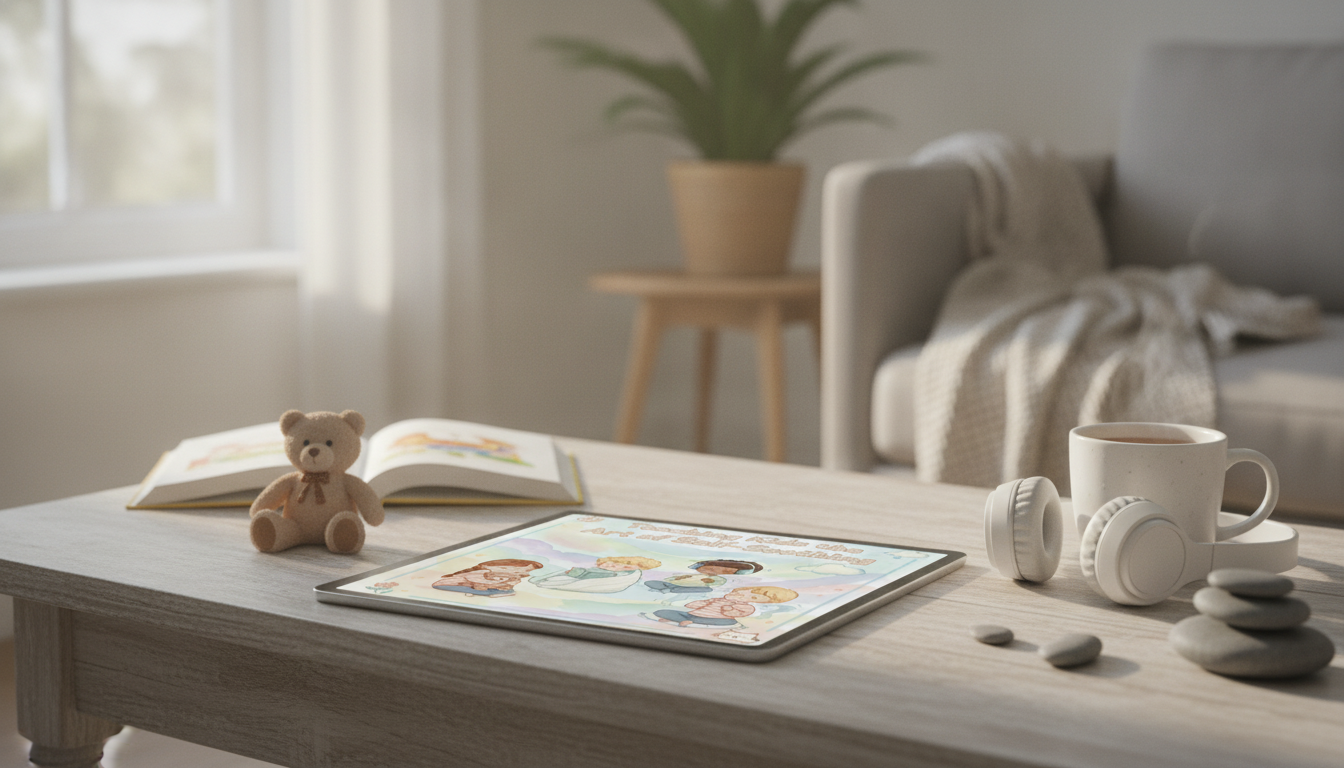
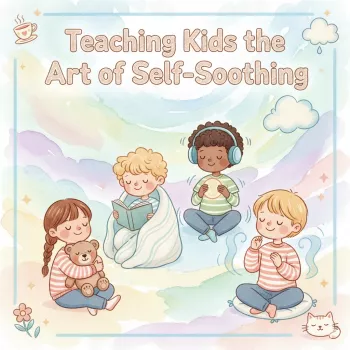
For a structured, ready-to-use routine you can keep consistent across caregivers, consider Teaching Kids the Art of Self-Soothing (digital parenting eBook).
Co-regulation is the main engine. Offer simple choices (“Do you want bubbles or a cuddle?”), sensory supports (soft blanket, chewy snack, a favorite song), and breathing with bubbles or a pinwheel. A “turtle shell” hug (self-hug with gentle squeeze) can feel grounding without needing lots of words.
Introduce naming feelings and a basic calm corner routine with a timer. After they calm, add light problem-solving: “What can we try next time when it’s a 3?” A visual calm chart helps kids remember what to do when thinking gets sticky.
Try a short body scan (head to toes), journaling prompts (“What happened? What did my body feel? What helped?”), coping statements (“This is hard, and I can handle it”), and movement circuits (jumping jacks, stretches, push-ups). For school triggers, create a plan for discreet tools: water bottle sips, bathroom hand-wash reset, or a grounding cue in a pocket.
If scents are part of your family’s routine, a simple guide like the Essential Oils Relaxation Checklist can help you keep the routine consistent (always consider safety guidance and age-appropriate use).
For additional guidance from trusted health organizations, see the American Academy of Pediatrics and the CDC Essentials for Parenting.
Focus on safety and co-regulation first: stay close, lower your voice, and reduce demands. Use short validating phrases and offer one calming choice; teach the skill more fully later when your child is calm.
Toddlers can begin with very simple tools (like a song, bubbles, or a comfort object) but still rely heavily on adult support. Independence grows through early childhood and becomes more self-directed in school-age years and adolescence.
Try paced breathing, cold water on hands, wall push-ups, 5-4-3-2-1 grounding, a self-hug with gentle pressure, or a short sensory break in a quiet spot.




Leave a comment