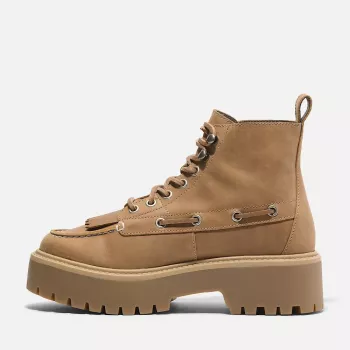
A bright yellow leather ankle boot can anchor an outfit while still handling long days on your feet. The right pair should feel steady on sidewalks, supportive underfoot, and easy to maintain—so the color stays bold instead of looking worn-out. Below is a practical breakdown of what matters most in materials, comfort, traction, and care, plus simple ways to style yellow leather ankle boots across seasons.
Leather ankle boots earn their “wear them everywhere” reputation when they balance structure with comfort. Before picking a pair, focus on a few details that predict how they’ll feel after hour three—not just how they look out of the box.
| Feature | What to look for | Why it matters |
|---|---|---|
| Leather | Smooth, even grain; minimal surface cracking; sturdy stitching | Better longevity and a cleaner look over time |
| Fit | Snug heel, roomy toe box, no pinching at instep | Prevents blisters and supports all-day wear |
| Support | Cushioned footbed; arch support; stable heel platform | Reduces foot fatigue and improves comfort |
| Traction | Rubber outsole; defined lugs | More stability on wet or uneven ground |
| Care needs | Compatible with leather cleaner/conditioner; easy to protect | Keeps color and finish looking fresh |
If you want that classic wheat-yellow look in a wearable ankle height, Timberland Women’s Yellow Leather Ankle Boots are built for everyday rotation—easy to pair, easy to walk in, and structured enough to look polished with casual outfits.
| Item | Details |
|---|---|
| Name | Timberland Women’s Yellow Leather Ankle Boots |
| Price | $156.46 USD |
| Availability | In stock |
| Product page | View details |
A supportive ankle boot should feel secure and comfortable quickly, with only minor flexibility changes as the leather relaxes. Use these checkpoints to avoid the most common fit regrets.
For general comfort and fit guidance, the American Podiatric Medical Association shares helpful shoe selection tips that align with real-world walking comfort.
Yellow leather boots look great, but the outsole is what makes them dependable. If you walk to work, take public transit, or spend weekends on mixed surfaces, prioritize grip and a stable base.
Yellow leather shows dust and scuffs more quickly than darker colors, but it also cleans up well when you stay consistent. For brand-specific guidance, Timberland shares a solid care overview on its Product Care page.
If responsible sourcing is part of your shopping checklist, the Leather Working Group explains what certified leather programs aim to improve in the leather supply chain.
The heel should feel snug with minimal slipping, while the toe box should allow easy toe movement without pressure on the sides or top. If you feel sharp pinching at the instep or toe compression, sizing up or trying a different shape is usually safer than expecting painful spots to “break in.”
Yes, leather can handle light rain if it’s protected with a leather-appropriate spray, but prolonged soaking can stain or stiffen the material. If the boots get wet, air-dry them away from heat and stuff them with paper to help maintain shape.
Condition every few weeks to every few months depending on wear, climate, and how dry the leather looks. Use a small amount, spot-test first, and avoid over-conditioning, which can soften structure and attract dirt.




Leave a comment