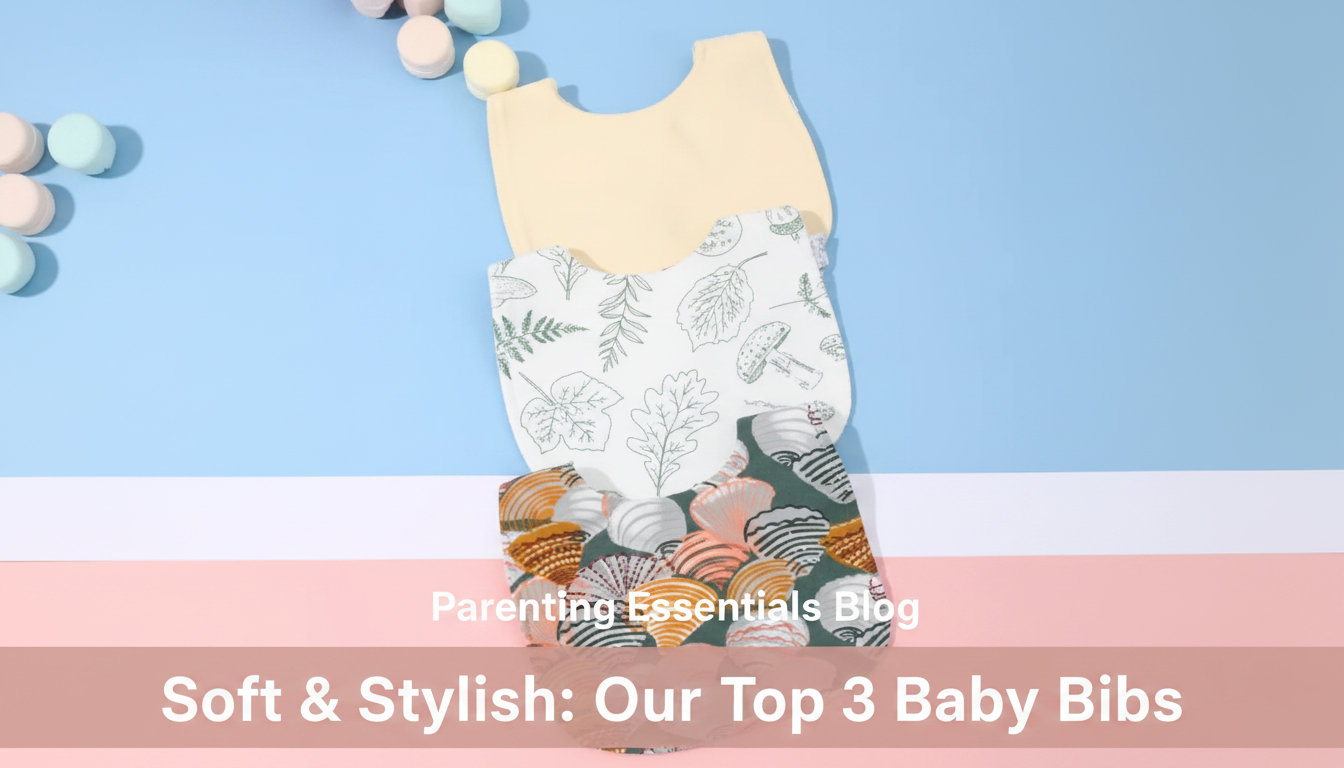
Spit-up and early feeding messes can soak through fabric fast, especially around the neckline where drool and milk collect. A U-shaped bib designed to sit close to the neck, paired with a waterproof layer and a catch pocket, helps keep baby’s chest drier and reduces outfit changes during bottles, burping, and first tastes. For more guidance, see norinori Baby bibs Waterproof Toddler bib – Feeding bib with Pocket ….
Not all bib necklines sit the same way. A U-shaped cut is designed to hug the collar area more closely, which is exactly where dribbles tend to travel first. For further reading, see Baby Bibs for Girls Toddlers and Eating – Waterproof Plastic Bibs.
For many babies, the “mess” isn’t just the big burp—it’s the steady trickle of drool and milk that sneaks under a looser neckline. A closer fit helps catch those small drips before they soak a onesie collar.
A bib works best when it’s comfortable enough to wear often and protective enough to actually block moisture. Waterproof cotton styles aim to balance both: cotton against skin, a barrier beneath.
| Detail | Why it helps | Quick check |
|---|---|---|
| Soft cotton face | Comfort against sensitive skin | Feels smooth; no scratchy seams at the neck |
| Waterproof inner layer | Prevents soak-through to clothes | Lightly test with a few drops of water on the inside (away from baby) |
| Neck fit and closure | Reduces gaps where dribbles run under | Closes securely without pinching |
| Edge stitching | Helps prevent leaks at seams | Stitches look even and tight |
Once solids begin, the mess changes from mostly liquid to a mix of purées, crumbs, and surprise drops. A built-in pocket (often called a rice pocket) adds a simple “catch zone” that can save time during cleanup.
It’s a small feature that can make a noticeable difference—especially when baby starts practicing grabbing, squeezing, and “helping” with the spoon.
A bib like this isn’t only for full meals. It’s often most helpful during the in-between moments when drips are predictable but outfit changes feel constant.
For general feeding guidance as baby grows, the CDC’s infant and toddler nutrition hub is a helpful reference: CDC — Infant and Toddler Nutrition. When you’re thinking about readiness and safe starts for solids, the AAP overview is also a solid resource: American Academy of Pediatrics — Starting Solid Foods.
If daily drool and early-meal messes are leading to constant outfit swaps, a bib built around neckline coverage plus waterproofing can make routines smoother. The U-Shaped Baby Bib Waterproof Cotton Spit-Up Feeding Bib with Rice Pocket combines the close U-shaped neck area with a waterproof layer and an integrated pocket for solids-stage crumbs.
Some families also like keeping a small plan for household organization and budgeting during the baby months. If that’s useful, Money Mindset Makeover: Step-by-Step Guide to Financial Well-Being | Digital eBook for Personal Growth & Financial Confidence | Learn to Improve Your Financial Well-Being is a digital option that fits easily into nap-time reading.
It can be, especially when the side against baby’s skin is soft cotton and the waterproof layer sits underneath. Change bibs when they get wet and watch for any irritation around the neck so moisture doesn’t stay against the skin.
Tilt the pocket upward first, then empty crumbs into a trash can or plate before undoing the closure. Remove the bib slowly and keep the pocket facing up to avoid dumping debris.
Yes—waterproof backing helps prevent drool from soaking through to clothing, and the U-shaped neckline helps protect the collar area. For comfort, swap to a clean, dry bib often and gently dry the neck folds as needed.





Leave a comment