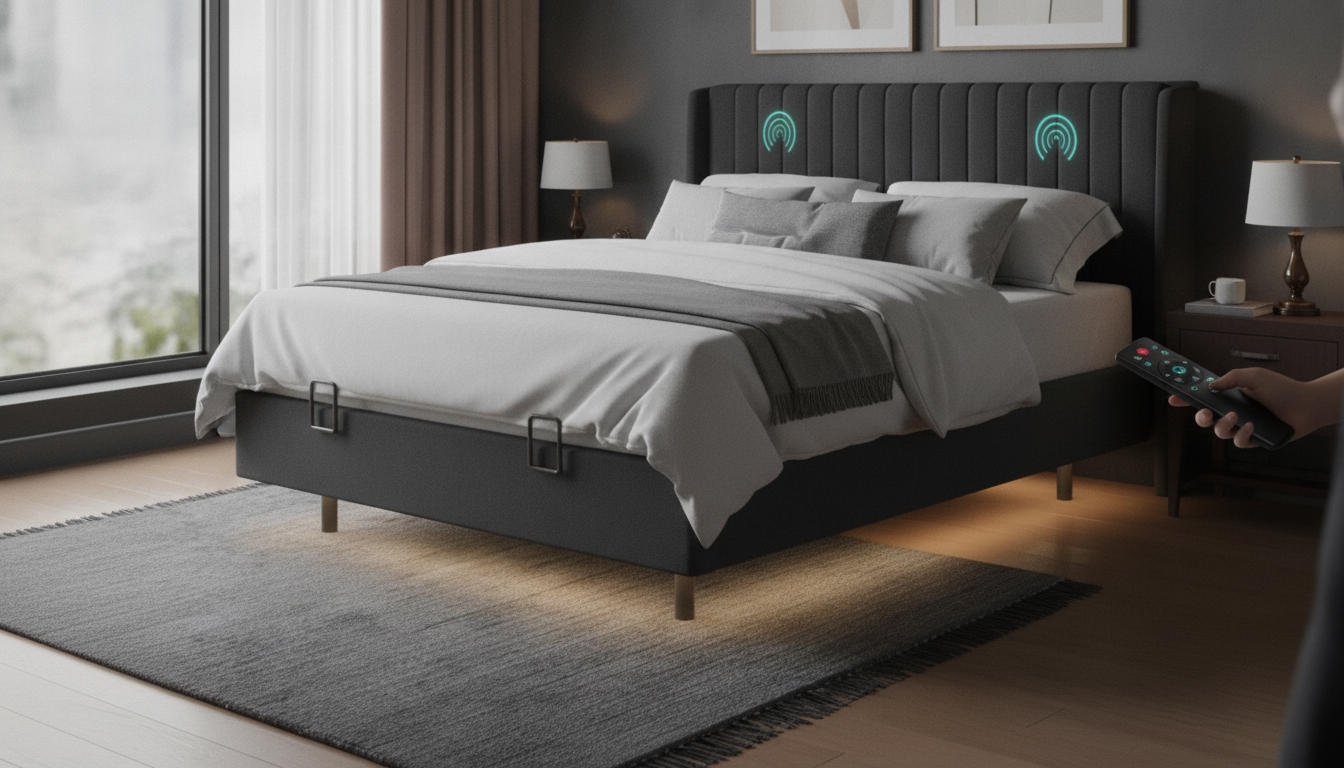
A queen adjustable base can turn a standard mattress setup into a customizable comfort zone—ideal for reading, recovery, and winding down. Instead of stacking pillows or constantly repositioning, a powered base lets you dial in support for your head, back, and legs with simple controls. This guide breaks down what the massage feature feels like, how a wireless remote and presets streamline daily use, and why built-in LED lighting ends up being surprisingly practical.
The biggest difference is how quickly the bed adapts to what you’re doing right now. Head and foot elevation make common “bed moments” more comfortable—reading, TV, laptop time, or simply relaxing without that slow pillow-slide that happens over the evening.
Adjustability also helps reduce pressure points by letting you fine-tune angles to match your preferred sleep position and comfort needs. Many people find they can settle in faster when the bed supports the natural curve of the body rather than forcing it flat.
Even small adjustments can make getting in and out of bed feel easier. A slight head raise reduces that “sit-up effort,” which is helpful on groggy mornings or when you’re easing into movement.
For couples, a single-piece queen adjustable base still adds flexibility—just within the limits of moving together. If one person prefers a gentle head elevation while the other likes completely flat, a compromise position often feels better than piling up separate pillow systems.
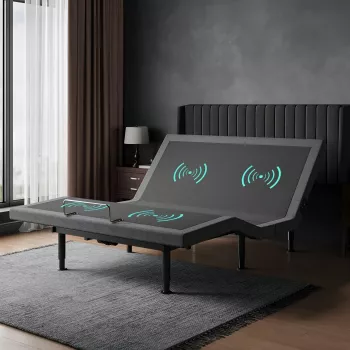
Most adjustable base “massage” features are vibration-style—designed for relaxation and circulation-like soothing rather than deep tissue relief. Think of it as a calming buzz that helps the body downshift at night, not a replacement for a massage therapist.
It tends to be most useful in three moments: loosening up before sleep, decompressing after work, or taking a quick reset break during the day. If your base supports independent head and foot zones, you can target the area that feels most restless.
When comparing options, look for multiple intensity levels and timed sessions. A timer matters more than it sounds because it turns the feature into a routine: set it, breathe, and let it shut off automatically.
A simple wind-down flow: dim the room, raise the legs slightly, choose a low-to-mid intensity, and run a short session. Pairing the routine with a consistent bedtime rhythm is supported by common sleep-hygiene guidance from sources like Mayo Clinic sleep tips.
The remote is what makes an adjustable base feel effortless instead of fussy. The most-used buttons are typically head up/down, foot up/down, and a dedicated “flat” button. That one-touch return to neutral is a daily convenience—especially when you’ve been lounging and want to quickly reset for sleep.
If your base includes preset positions, prioritize two: a zero-gravity style setting for relaxation and a gentle head-elevated reading position for evenings. Zero-gravity positions are often described as reducing pressure by distributing weight more evenly; for a deeper explanation, see Sleep Foundation’s overview of the zero gravity sleep position.
Practical tip: store the remote in the same place every time—on a nightstand tray or a bedside caddy—so it doesn’t disappear between blankets. If the remote uses replaceable batteries, keeping a spare set nearby prevents the one moment you need “flat” from becoming a scavenger hunt.
Under-bed LED lighting is one of those features that sounds minor until you live with it. Low-level floor illumination helps you move around at night without blasting overhead lights. That means fewer stubbed toes, fewer startle-wake moments, and less disruption for anyone sharing the room.
| Feature | What it does | Best for | Practical tip |
|---|---|---|---|
| Head/foot adjustment | Changes sleep and lounge angles | Reading, TV, reflux-friendly elevation, leg support | Start with small changes; fine-tune over several nights |
| Massage (vibration) | Adds a relaxing buzz to head/foot zones | Pre-sleep relaxation, post-work decompression | Use a timer so it shuts off automatically |
| Wireless remote | Controls elevation, presets, and convenience functions | Fast changes without getting up | Keep spare batteries on hand if applicable |
| LED under-bed lighting | Soft light near the floor | Nighttime trips and low-disruption mornings | Use the lowest comfortable brightness setting |
For a queen-size setup that adds adjustable positioning, relaxing vibration, remote convenience, and soft under-bed lighting, start here: Queen Adjustable Bed Frame with Massage, Wireless Remote & LED Lighting.
To make the wind-down routine feel more intentional, pair your nightly setup with a simple checklist you can repeat consistently: Essential Oils Relaxation Checklist – Simple Daily Ritual Guide.
Most foam, hybrid, and many flexible innerspring mattresses work well on an adjustable base. Very rigid mattresses may not bend properly, so check your mattress manufacturer guidance to confirm it’s designed for adjustable-base use.
It’s typically vibration-based and intended for relaxation rather than deep massage. Sound levels vary by floor type and how tightly the frame is assembled, so keeping hardware snug and placing the base on a stable surface can help.
LED lighting is generally toggled via the remote and intended for short, low-light use. Turn it off after getting settled, or use it briefly for nighttime movement without waking the room.





Leave a comment