A good breastfeeding checklist keeps the first days simple: support your body, protect milk supply, and spot when you and baby need extra help. Focus on comfort tools, feeding basics, and a quick plan for common “what now?” moments.
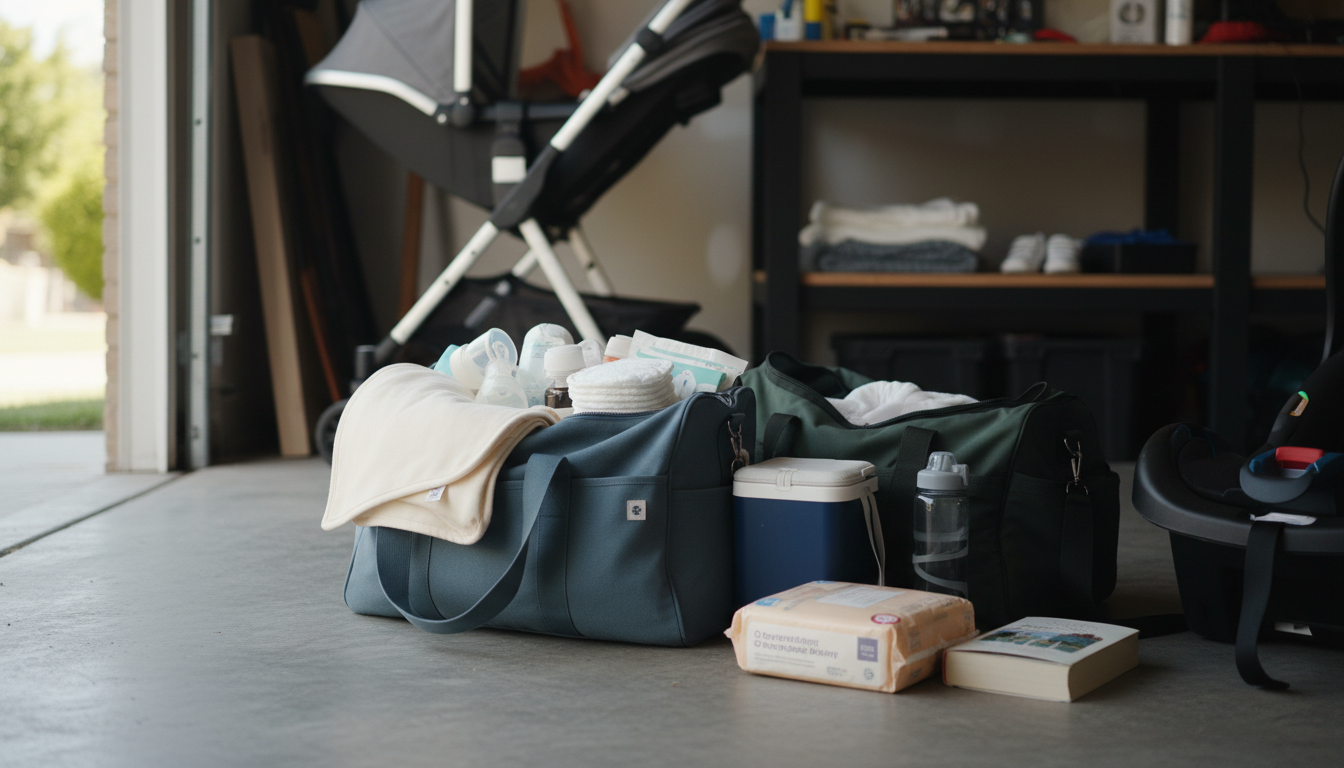
Pack or set out nursing bras/tanks, breast pads, and a gentle nipple balm. Add a few burp cloths, a water bottle you can open one-handed, and easy snacks. Keep a few pillows handy (a dedicated nursing pillow is optional) so you can bring baby to breast without hunching your shoulders.
Create a small “feeding station” where you normally sit: phone charger, tissues, hand sanitizer, a dim light, and a notepad or app for quick reminders. If you’ll be nursing at night, keep diapers and wipes nearby so you aren’t fully waking up to find supplies.
Include simple cues: baby’s tummy-to-tummy alignment, nose-to-nipple start, wide-open mouth before bringing baby in, and listening for steady swallows. Add a checkbox to try more than one position (cradle, cross-cradle, football, side-lying) to reduce soreness and improve transfer.
Write down your “if-then” steps: if baby is too sleepy or not latching well, hand express a little milk, do skin-to-skin, and offer the breast again. If you’re separated from baby or advised to supplement, note when to pump or hand express to signal your body to keep making milk.
Add a short list of red flags: severe or worsening nipple pain, cracked/bleeding nipples, baby not having enough wet/dirty diapers, poor weight gain, or signs of dehydration. Keep contact info for your pediatrician and a lactation consultant.
For a step-by-step, confidence-building first-week plan, visit this newborn breastfeeding guide.
Look for frequent wet diapers, regular stools (especially in the early days), and steady weight gain over time. During feeds, you should hear or see swallowing and baby should seem relaxed afterward.







Leave a comment