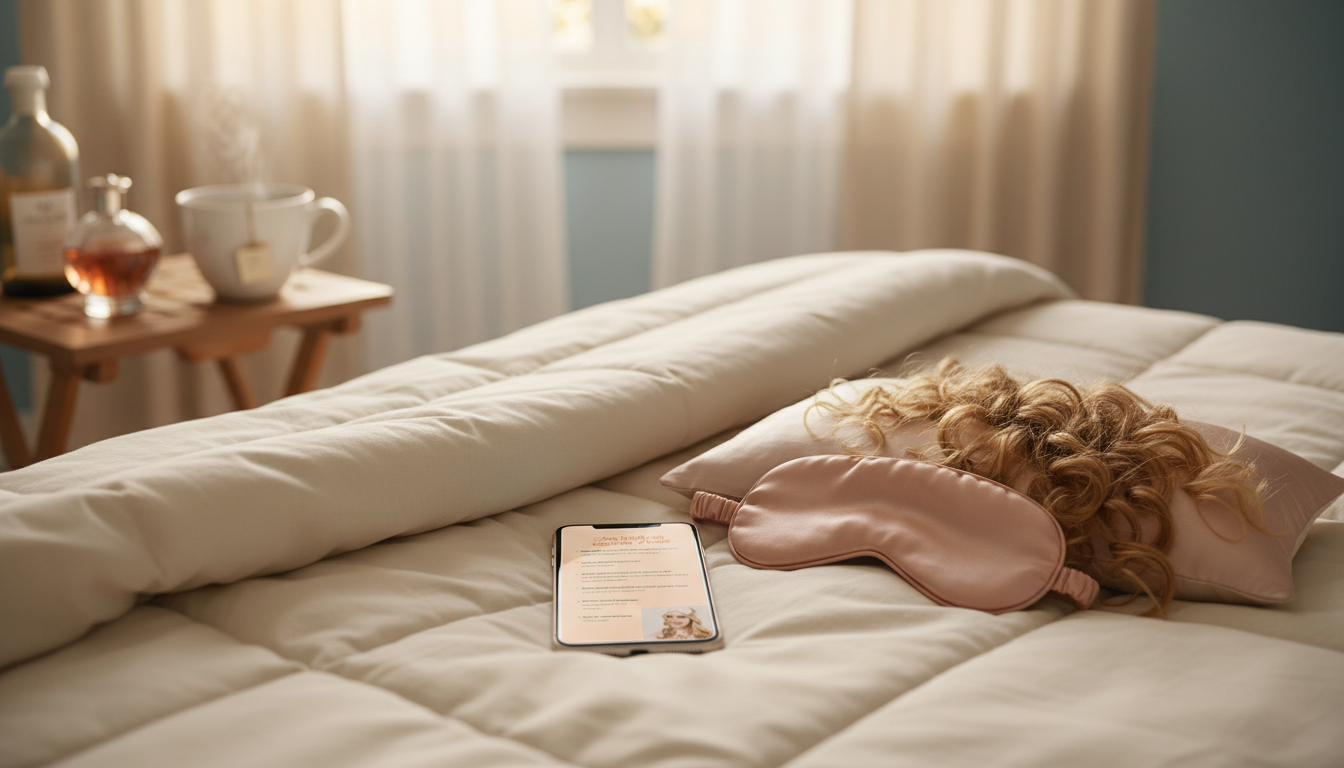
Curly hair can look perfectly defined at bedtime and wake up flattened, frizzy, or tangled. A few small changes to how hair is protected overnight can preserve curl pattern, reduce breakage, and cut morning styling time. Use the steps below as a simple, repeatable routine that fits different curl types, lengths, and sleep styles.
Most “bad curl mornings” come down to a few predictable causes. Friction from pillowcases and tossing can roughen the hair cuticle, which shows up as frizz, tangles, and dullness. Compression from sleeping directly on curl clumps can stretch or dent them, creating uneven definition and a flat crown. And if indoor air is dry, curls can lose moisture overnight, leaving strands brittle and more prone to snap.
A night routine works when it tackles the basics: reduce friction, reduce compression, and maintain balanced moisture—without piling on so much product that curls feel sticky or collapse. Dermatology-based hair care guidance also emphasizes gentle handling and minimizing mechanical damage over time, which is exactly what a smart sleep routine supports. For general hair and scalp care tips, see the American Academy of Dermatology Association.
This is the quick reset that prevents knots from becoming next-morning battles.
If breakage is already an issue, reducing mechanical stress (friction, harsh detangling, tight bands) is a practical first step. The Cleveland Clinic’s overview on breakage prevention reinforces how everyday handling affects strand integrity: Hair breakage: overview and prevention.
The best overnight style is the one that keeps curls lifted and contained without tension. Pick based on length, density, and how you sleep (back, side, stomach).
| Method | Best for | How to do it | Watch-outs |
|---|---|---|---|
| Pineapple | 2C–4A, medium/long | Gather hair high and loose with a scrunchie | Too tight can cause dents and tension headaches |
| Multi-pineapple | Very thick or long curls | Split into 2–4 loose high ponytails | Extra elastics can snag—use soft scrunchies |
| Loose braid/twists | Long hair, tangle-prone | One or two loose braids/twists; secure softly | Can loosen curl pattern if braided too tightly |
| Medusa clipping | Short/medium, root volume | Use a few small clips to lift sections upward | Clips should be smooth and not pinch the scalp |
| Bonnet-only | All lengths, minimal manipulation | Place hair in bonnet without tight gathering | Can flatten roots if bonnet is too snug |
Fabric is often the easiest “big win.” Cotton tends to create more friction than satin or silk, so curls get roughed up as you move. Satin or silk reduces that friction, helping curls keep definition and reducing frizz.
Generally, sleeping with curls up (a loose pineapple or gentle clipping) reduces compression, tangling, and flat spots. Sleeping down can work for short hair or anyone who hates ties, especially with a satin bonnet or satin pillowcase to reduce friction.
Mostly dry hair is usually easier to preserve because damp curls under pressure can dry into dents and odd shapes. If refreshing at night, use a light mist and focus only on areas that need it rather than soaking your whole head.
Start by reducing friction with satin or silk, then use a loose protective style to prevent roughing up curl clumps. If you need product, use a tiny amount on the ends only, and clarify occasionally if hair starts to feel coated.






Leave a comment