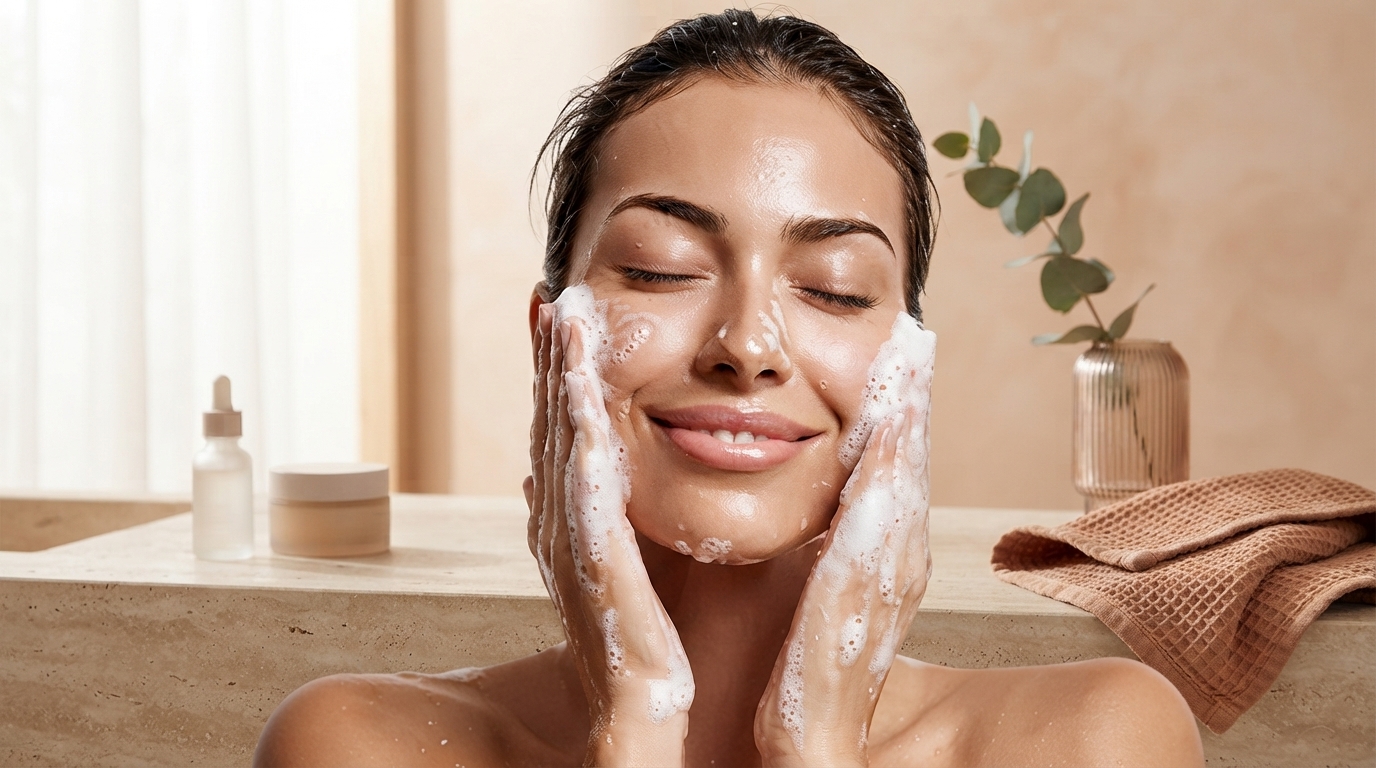
Glowing skin comes from consistent basics, smart ingredient choices, and a routine that matches skin type, climate, and sensitivity. This guide lays out clear daily steps, explains what to use (and what to avoid combining), and shows how to personalize a routine that supports an even tone, smooth texture, and a healthy-looking finish.
A true “glow” is usually the combination of a well-hydrated surface, smoother texture, balanced oil levels, and an even-looking tone. It’s not the stingy “tight” feeling that can come from over-cleansing, and it’s not a slick layer of shine that breaks down makeup by noon.
The foundation is barrier health. When the barrier is stressed—think flaking, persistent tightness, burning with bland products, or sudden sensitivity—active ingredients tend to irritate rather than improve. Instead of chasing instant radiance, track progress by comfort: less roughness, fewer new bumps, reduced redness, and a steadier tone across the week.
Morning skincare is about setting your skin up to look smooth now and stay even-looking later. Keep it simple and repeatable.
| Step | Goal | Good options | Notes |
|---|---|---|---|
| Cleanse | Remove overnight sweat/oil | Gentle low-foam cleanser | Avoid squeaky-clean feel |
| Hydrate | Plump and smooth | Glycerin, HA, panthenol | Apply on damp skin |
| Treat | Brighten/even tone | Vitamin C or niacinamide | Use one main active at a time |
| Moisturize | Lock in hydration | Ceramides, squalane | Adjust texture to season |
| Protect | Prevent spots/dullness | Broad-spectrum SPF 30+ | Reapply outdoors |
Evening skincare is where you support recovery and use goal-focused treatments—without stacking so much that you trigger irritation.
| If using… | Pairs well with… | Consider separating from… |
|---|---|---|
| Retinoid | Moisturizer, ceramides, gentle hydrators | Strong AHAs/BHAs (same night) |
| AHA/BHA exfoliant | Hydrators, barrier creams | Other exfoliants (stacking) |
| Vitamin C | Sunscreen, moisturizer | Very strong exfoliation if easily irritated |
| Azelaic acid | Niacinamide, moisturizers | Too many actives at once (if sensitive) |
If stinging, tightness, or peeling persists, pause actives and simplify to cleanser + moisturizer + SPF until your skin feels normal again. If you’re unsure whether a new product will trigger irritation, patch testing is a practical safeguard; the AAD patch testing guide walks through a safe method.
If you want a clear framework to match routines to goals and skin types, the Skincare Steps for Glowing Skin – Ultimate Glow Guide eBook can help you map a daily flow, choose ingredients with fewer conflicts, and adjust based on sensitivity and season.
When stress shows up on your skin as dullness or extra reactivity, pairing skincare consistency with calming daily rituals can help you stay on track. For a simple routine prompt, the Essential Oils Relaxation Checklist offers an easy structure for winding down (especially helpful when late nights and tension make skin look less rested).
A simple routine is: AM—gentle cleanse (or rinse), hydrate, moisturize, and SPF; PM—remove sunscreen/makeup, cleanse, moisturize, and add one targeted active (like a retinoid, azelaic acid, or an exfoliant) based on your main goal.
Hydration and smoother feel can improve within days, but more noticeable changes in tone and texture often take 4–12 weeks, especially if sunscreen and a single well-chosen active are used consistently. Trying to speed things up with aggressive exfoliation commonly backfires by damaging the barrier.
Avoid stacking strong acids with retinoids on the same night, and skip using multiple exfoliants together. Introduce one active at a time and keep barrier-support products (like ceramides and gentle hydrators) as the routine “base” to reduce irritation.







Leave a comment