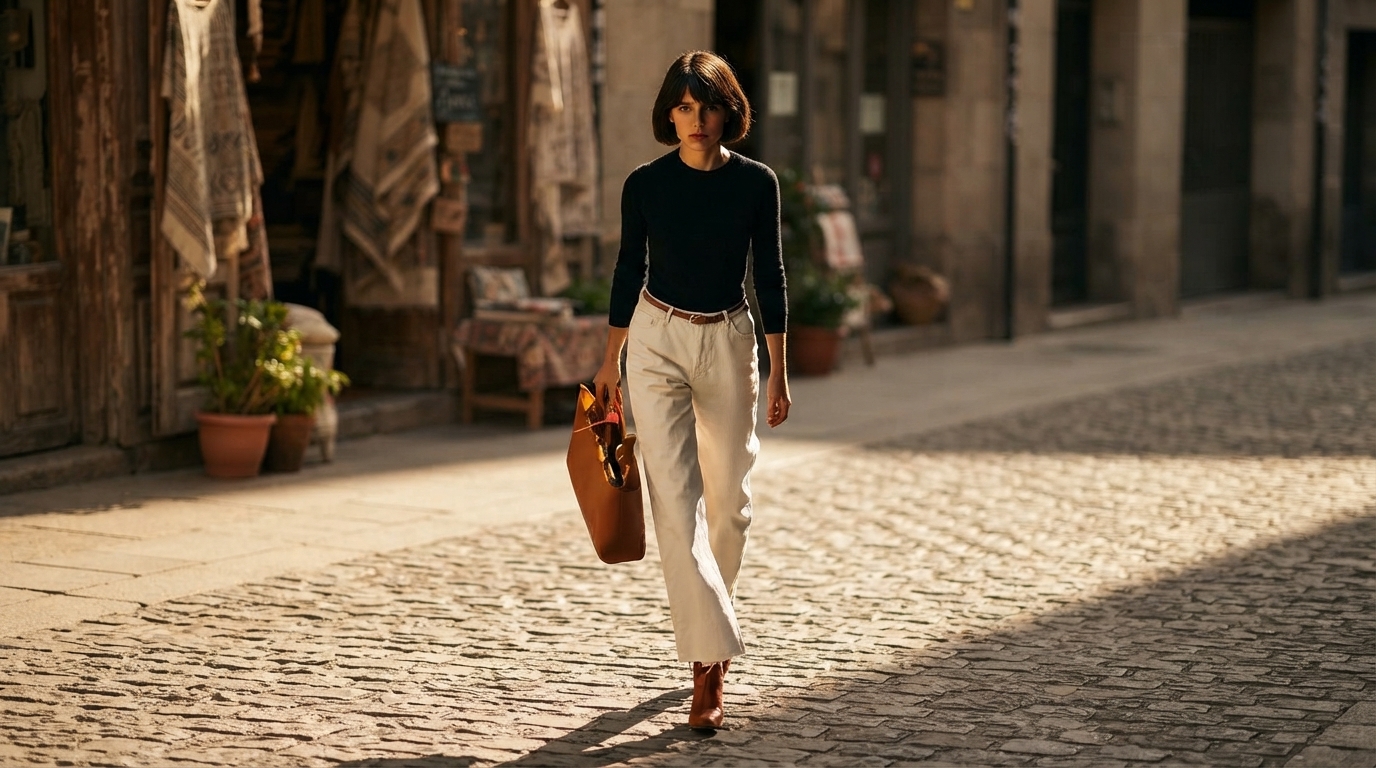
Slow fashion gets easier when daily choices feel doable and inspiring. A mindful wardrobe isn’t about perfection—it’s about repeating a few smart habits: wearing what lasts, fixing what you can, and getting more outfits from fewer pieces. The goal is simple: let getting dressed reflect personal values without losing the fun of style.
For a structured, step-by-step approach, the Fresh Ideas for Slow Fashion digital guide is built around practical wardrobe shifts, beginner-friendly upcycling, and AI-aided outfit experimentation that still feels like you.
Slow fashion is often misunderstood as “never buy anything.” In practice, it’s more like a simple decision system that reduces waste and closet stress while improving day-to-day outfits.
| Fast habit | Slow alternative | Why it helps |
|---|---|---|
| Impulse buying for an event | Shop the closet + borrow + alter | Prevents one-time wear waste and saves money |
| Buying trend pieces | Add one intentional accent (scarf, belt, jewelry) | Keeps outfits fresh without new garments |
| Decluttering to “start over” | Create a “maybe” box for 30 days | Avoids regret and unnecessary replacement shopping |
| Replacing worn basics immediately | Repair first; set a replacement list | Extends garment life and improves buying quality |
Consistency comes from small, repeatable actions—especially when they’re tied to comfort, lifestyle, and real outfit needs.
To connect wardrobe habits with a calmer daily routine, pairing style planning with simple reset rituals can help. The Essential Oils Relaxation Checklist is an easy add-on for winding down after laundry, mending, or weekly outfit planning.
Slow fashion becomes enjoyable when it produces better outfits right away. These ideas create visible wins—more combinations, less “nothing to wear,” and fewer emergency purchases.
For context on why these small changes matter, organizations like UN Environment Programme and the Ellen MacArthur Foundation highlight the impact of overproduction and the value of circular systems—repair, reuse, and longer wear.
Upcycling doesn’t need a full sewing studio. The most useful upgrades are the ones that are reversible, low-risk, and easy to repeat across multiple items.
These skills support a “keep it in use” mindset that aligns with circular fashion principles promoted by groups like Fashion Revolution.
| Goal | Prompt idea | What to do next |
|---|---|---|
| Wear one item 5 ways | Create 5 outfits using my black straight-leg jeans for casual and smart-casual days | Pick 2 formulas to repeat weekly |
| Shop the closet for an event | Build 3 dinner outfits from a slip dress, blazer, and flats; include layering options | Try on and photograph the best look |
| Make a small capsule | Suggest a 12-piece capsule based on my colors: cream, navy, olive, rust | Check gaps and avoid duplicates |
| Upgrade basics | Show ways to style a plain white tee so it looks intentional | Add one accessory or third piece to each look |
Do a quick wardrobe audit to identify your most-worn items, then create two or three outfit formulas based on them. Try a 10×10 challenge for 10 days and complete one small repair (like a button or hem) to build momentum using what you already own.
Yes—basics are ideal for outfit formulas because they mix easily. Use clear constraints (weather, comfort, shoes you own) and request multiple variations that reuse the same core pieces to get more realistic results.
Start with reversible or low-risk changes like button swaps, hemming with fabric tape, simple mending, detachable patches, and small overdye tests. These upgrades improve wearability without requiring permanent cuts or complex tailoring.

Leave a comment