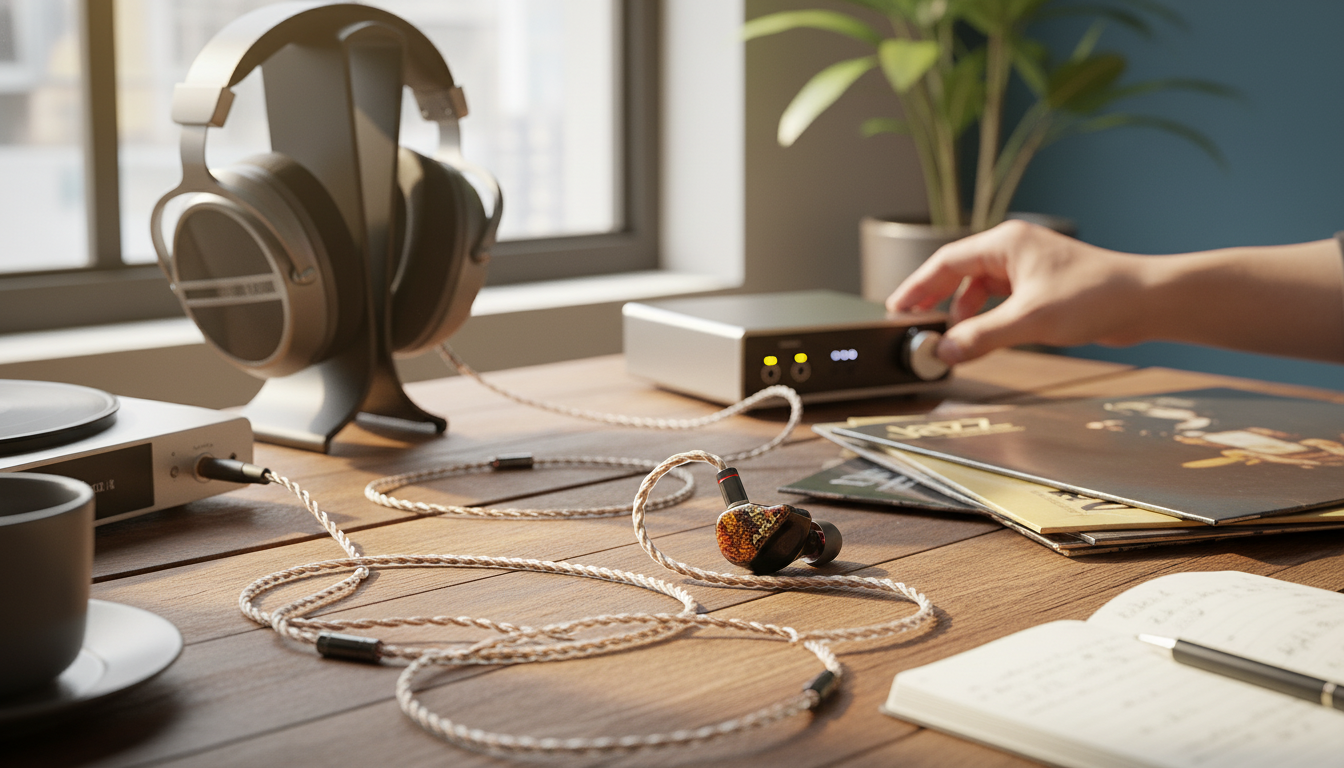
Hybrid in-ear monitors (IEMs) blend different driver technologies to chase a specific ideal: fast transients, satisfying bass impact, and clean detail—without giving up the convenience of a compact, portable setup. When a hybrid is tuned well, it can deliver a “best of both worlds” presentation that feels energetic and immersive while keeping vocals and cymbals sharply outlined. The sections below explain how hybrid designs work, what to listen for, how to pair them with sources, and how to keep them performing consistently over time.
A hybrid IEM uses two or more driver types in a single earpiece. The most common recipe is a dynamic driver (DD) handling bass, paired with balanced armature (BA) drivers for mids and treble. Some designs add electrostatic (EST) tweeters to extend the very top end with extra air.
The point isn’t simply adding more drivers—it’s using each driver where it tends to perform best. A crossover network divides the frequency range so each driver covers a specific band. This is why tuning quality matters as much as driver count: a modest hybrid can sound more coherent than a complicated multi-driver set if the crossover and acoustic design are executed cleanly.
While every model is different, driver technologies often share recognizable traits:
The best hybrids avoid obvious handoffs between drivers. When evaluating, aim for a seamless transition from bass into mids and treble—no sense that different parts of the music are coming from separate “modules” in your ear.
| Configuration | Typical Strengths | Potential Trade-offs | Good For |
|---|---|---|---|
| 1DD + 1–2BA | Punchy bass with cleaner vocals/treble | May have less top-end air than multi-BA/EST sets | Everyday listening, balanced tuning |
| 1DD + 4–6BA | Higher resolution and separation | Can sound less “natural” if upper mids/treble are aggressive | Detail-focused listening, complex tracks |
| 1DD + BA + EST | Airy treble extension with strong low end | Can highlight sibilance if poorly tuned; pricier | Live recordings, spacious mixes |
| All-BA (not hybrid) | Speed and detail across the band | Bass slam may feel lighter vs DD | Studio-style monitoring, vocal clarity |
If you’re comparing hybrids (or deciding whether a hybrid is right for your library), use a short checklist and a few familiar tracks you’ve heard on multiple headphones.
If you like deeper measurement context, community databases and reviews can help frame expectations before buying. Many listeners cross-check impressions on Head-Fi IEM forums and compare measurement trends on Crinacle’s IEM lists. For a quick overview of how IEM measurements are standardized, the IEC 60318-4 ear simulator summary is a useful reference.
Hybrid IEM performance depends heavily on seal. A weak seal almost always reduces bass and can make the upper mids/treble feel overly bright. Before judging tuning, confirm that both ears seal evenly.
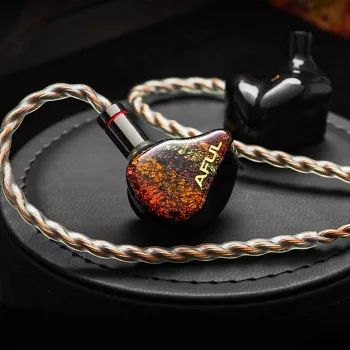
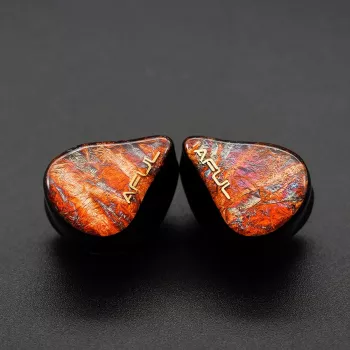
If the goal is a premium, immersive hybrid-style listen that balances impact with clarity, Hybrid Audiophile IEMs are positioned for detailed sessions and engaging playback. They’re a strong match for portable setups with a quality dongle DAC and for libraries that shift between bass-driven tracks and vocal-centric mixes.
No—“better” depends on tuning and cohesion. Hybrids can balance bass weight and fine detail very well, but a well-tuned single dynamic driver can sound exceptionally natural and unified.
They usually don’t need much power, but they often benefit from a clean, low-noise source. If you notice hiss or uneven volume at low levels, a quality dongle DAC or quieter output stage can be a meaningful upgrade.
The most common cause is a broken seal from tip fit, shallow insertion, or worn tips. Also check for blocked nozzles/filters; cleaning the nozzle and replacing tips frequently restores bass and overall balance.




Leave a comment