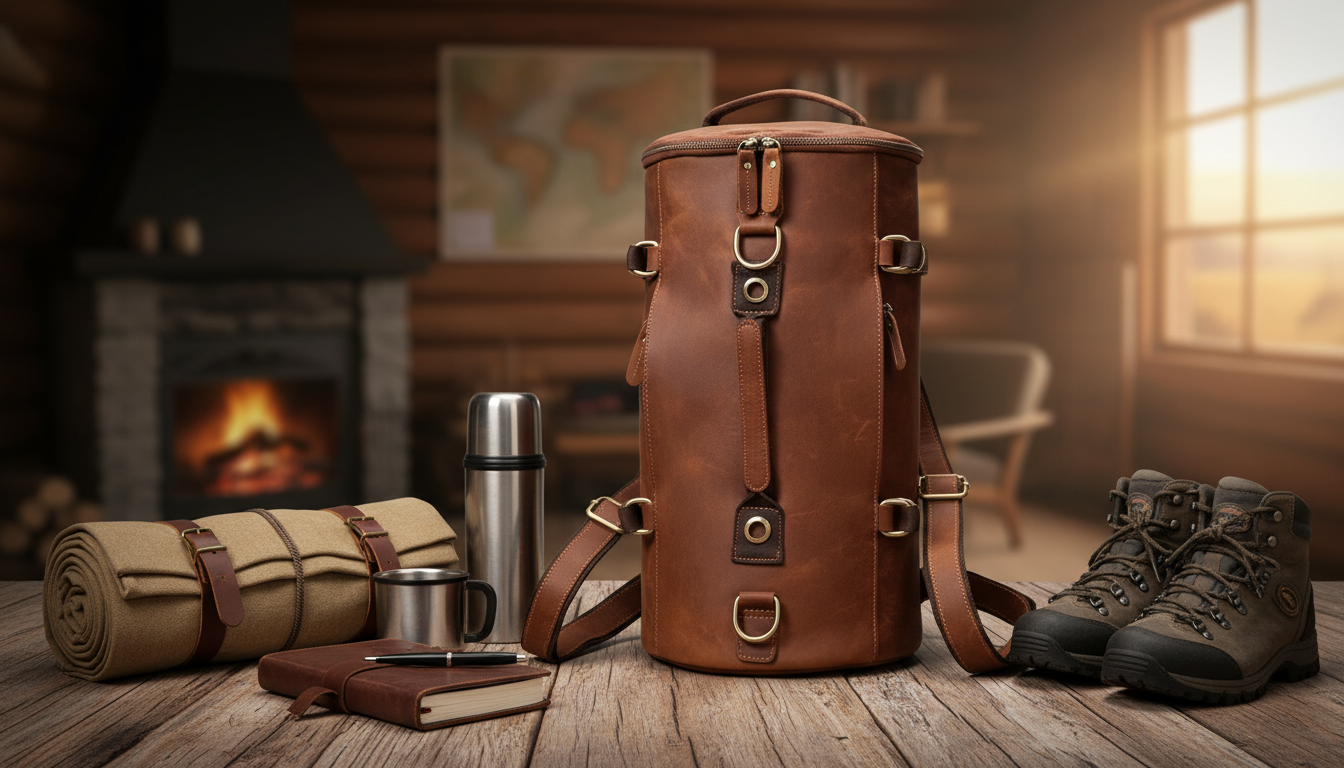
A vintage bucket backpack brings together two things that travel well: classic leather character and a simple, top-loading layout that stays easy to use on the move. The tall “bucket” silhouette makes it quick to drop in a light jacket, water bottle, camera, or notebook—without wrestling rigid dividers or constantly opening multiple zippers. Below is a practical guide to why this shape works, what quality details look like, how to pack it for different days, and how to keep leather looking intentional over the long run.
The bucket style is popular for a reason: it’s uncomplicated, flexible, and fast. For commuters and weekend travelers, that simplicity often beats over-engineered organization.
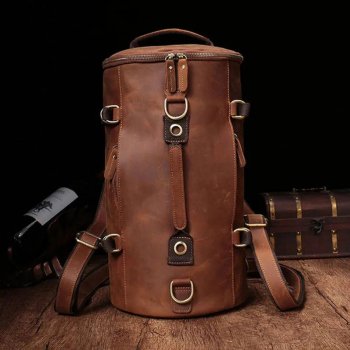
Leather backpacks can look similar online, but construction details make the difference in how the bag feels after months of use. A well-made daypack should handle daily handling—set-downs, quick pulls, and strap adjustments—without the hardware snagging or the seams drifting.
For a deeper overview of how different leather types behave over time, this guide is a helpful reference: Guide to leather types and characteristics.
A bucket backpack packs best when it’s treated like a simple system: stable items near the back, quick-grab items near the top, and small pieces corralled in pouches so they don’t disappear to the bottom.
| Scenario | Top access items | Core load | Keep separated |
|---|---|---|---|
| Workday commute | Phone, transit card, earbuds | Notebook, water bottle, lunch | Cables, pens, small tools |
| Airport + city | Passport, charger, sunglasses | Light jacket, camera, bottle | Liquids, valuables pouch |
| Weekend daypack | Map, snacks, sunscreen | Extra layer, compact umbrella | Toiletries, wet bag |
Leather tends to look better with use—if it’s kept clean and conditioned at reasonable intervals. The goal is to prevent dryness and surface grit from accelerating wear, while letting the material develop its natural patina.
For practical, step-by-step maintenance basics, see: Leather care basics.
Yes, especially when it uses a drawstring plus flap or buckle. Keep valuables in an interior pocket or a small pouch and stay mindful in crowded transit where open-top access is easiest for others.
Air-dry it at room temperature away from heaters or direct sun, and lightly stuff it to hold shape while it dries. Once fully dry, clean gently if needed and condition sparingly—never use a hair dryer or radiator to speed it up.
Put quick-grab items near the top (passport, charger, snacks), daily-use items in the middle, and heavier pieces lower and closer to your back for better balance. Use small pouches for cords and essentials so they don’t sink to the bottom.


Leave a comment