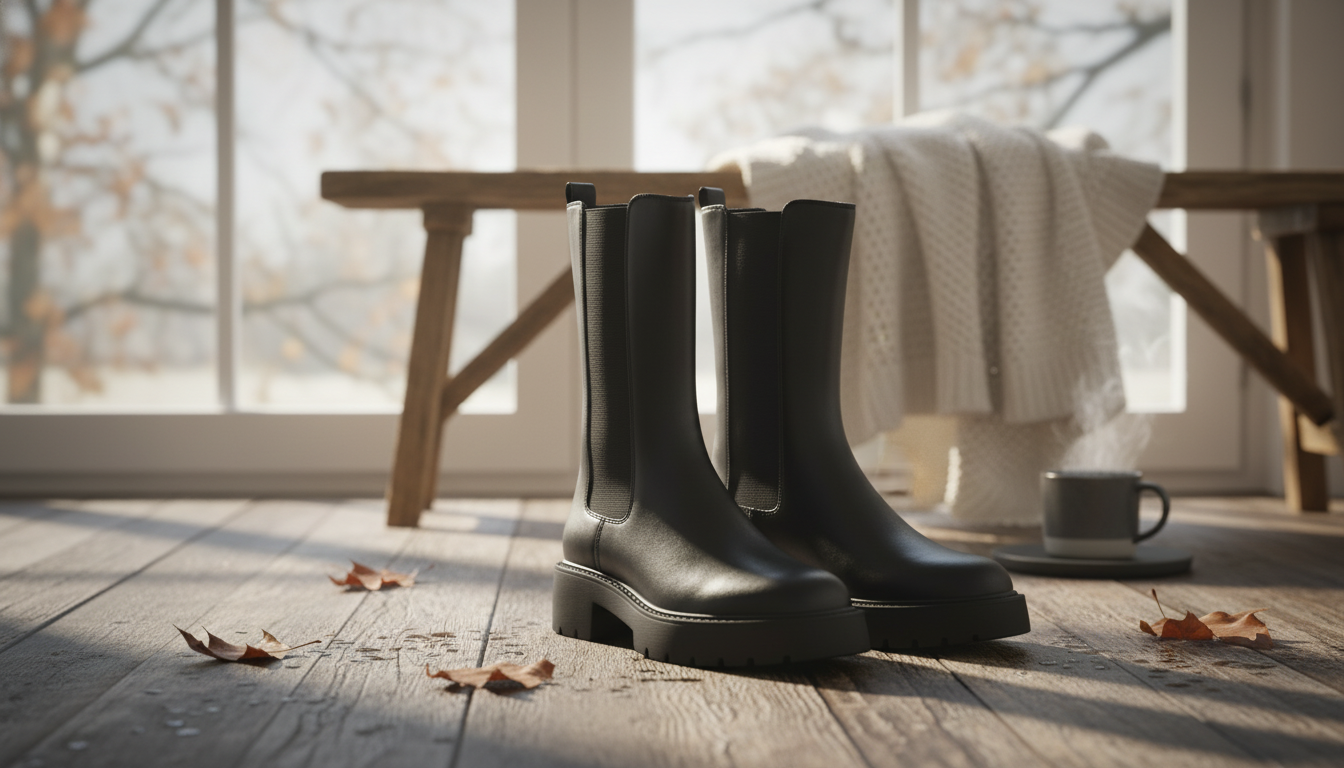
Black leather ankle boots are a cold-season staple for commuting, weekends, and dressier plans—easy to style, easy to repeat, and dependable in changing weather. This Calvin Klein Jeans pair leans into clean, modern lines with the durability and polish that leather brings, making it a reliable option for fall and winter wardrobes. For more guidance, see 1970s in fashion – Wikipedia.
If there’s one shoe style that can carry a closet from early fall through the heart of winter (with the right care), it’s a sleek black ankle boot. The silhouette hits a sweet spot: practical enough for daily wear, refined enough to finish an outfit without looking overdone. For further reading, see olivia palermo burberry cape – CSUSB.
These boots are designed to be the pair that’s easy to grab on the way out—minimal fuss, clean finish, and adaptable to the outfits that show up most in cooler months.
| Consideration | Why it matters | Practical tip |
|---|---|---|
| Fit through the toe box | Comfort on long days depends on enough room for toes and socks | Try with the sock thickness planned for winter |
| Ankle opening and shaft feel | A secure ankle reduces rubbing and improves stability | Walk and flex to check for pinching at the front of the ankle |
| Outsole traction | Wet leaves and slick sidewalks are common in fall/winter | If traction feels light, consider adding a professional non-slip sole treatment |
| Leather care plan | Salt, moisture, and dryness can shorten leather life | Use a leather conditioner and a water-repellent protector appropriate for leather |
| Outfit compatibility | A true staple boot should match most of the closet | Build 3 repeatable outfits (jeans, trousers, dress) before committing |
For help dialing in sizing before ordering, the Calvin Klein Size Guide is a useful starting point—especially if you plan to wear thicker socks in winter.
A black ankle boot works best when it feels like an extension of the outfit—not a separate statement piece. Think clean lines, balanced proportions, and repeatable combinations you can rotate on autopilot.
Leather typically improves with wear, but the first few outings matter. A smart break-in plan helps you avoid blisters and ensures the boots end up feeling like they’re truly yours.
For more context on responsible leather practices and industry standards, the Leather Working Group is a helpful reference point.
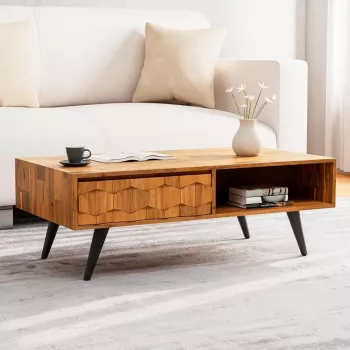
If you’re doing a broader seasonal refresh beyond footwear, consider pairing your wardrobe reset with a practical home upgrade like the Stylish Wood Coffee Table—a simple way to make everyday spaces feel more pulled together for the colder months.
Leather is a solid cold-weather material because it blocks wind and holds its shape well. For snow and slush, performance depends on traction and whether the boots are built to be waterproof, so using a protectant and drying them away from direct heat helps a lot.
A good fit usually means a secure heel, enough toe room for walking and winter socks, and no sharp pressure at the ankle. Try them indoors first to confirm comfort and allow for a manageable break-in.
Use a leather-appropriate water repellent, wipe off moisture quickly, and remove salt residue as soon as you notice it. Condition occasionally and let boots air-dry away from radiators or direct heat to prevent drying and cracking.





Leave a comment