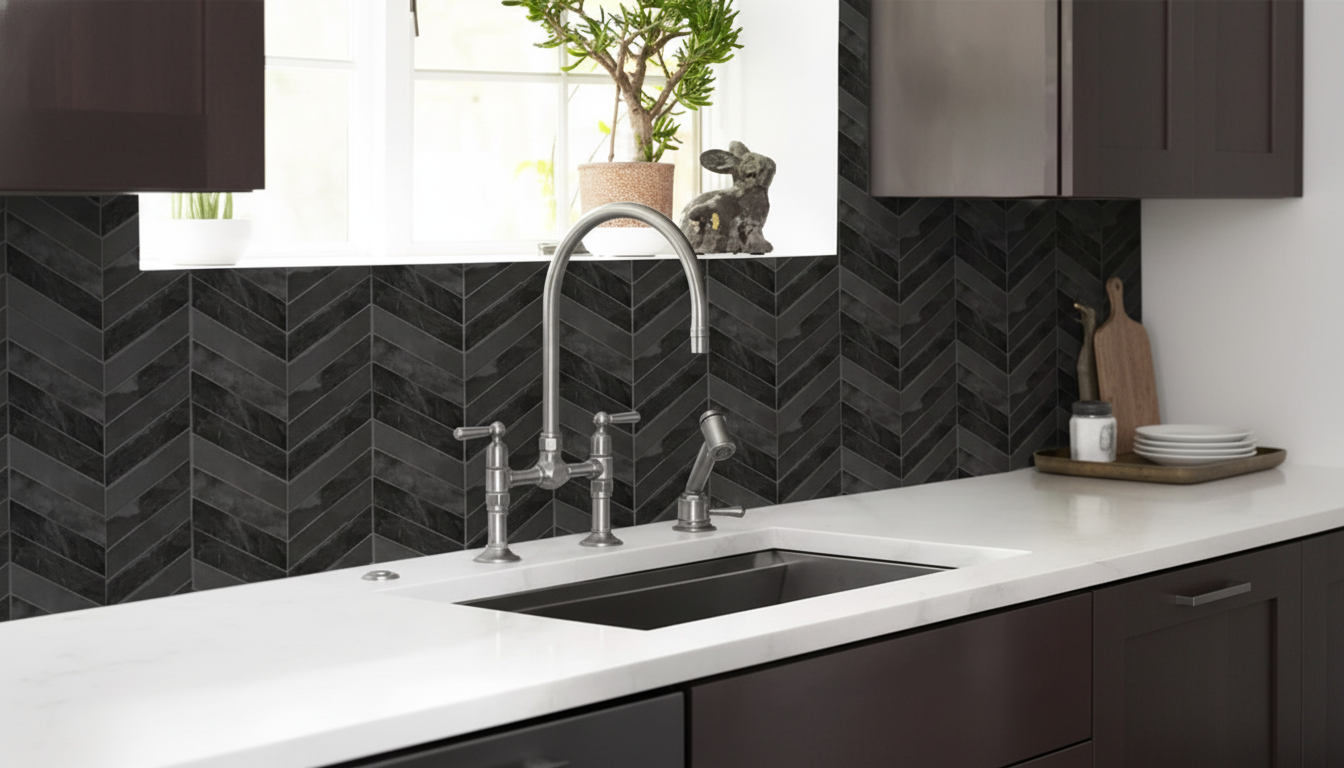
A backsplash refresh can change the whole feel of a kitchen or bathroom without the mess of mortar or grout. Self-adhesive 3D wall tiles are designed to go up quickly, resist everyday splashes, and add depth and texture to flat walls—making them a practical option for renters, DIYers, and fast weekend updates.
3D peel-and-stick backsplash tiles are self-adhesive wall panels with a raised surface that adds dimension and a more finished look than flat decals. They’re built for interior spaces where splashes and humidity are part of daily life—think sink areas, vanity walls, and laundry rooms.
Most styles install with basic household tools: measure, mark, cut-to-fit, peel the backing, and press the tile firmly into place. For the cleanest hold, they perform best on smooth, dry, sealed surfaces such as painted drywall, smooth existing tile, glass, metal, or sealed wood.
For cooking-area safety reminders, the NFPA’s cooking fire safety guidance is a helpful reference when planning materials around stovetops.
Water-resistant surfaces are made to handle routine splashes and steam, especially when seams and edges are kept clean. The most common cause of tiles lifting isn’t “too much water”—it’s usually residue. Cooking oils in kitchens and soap film in bathrooms create a slippery layer that prevents the adhesive from bonding fully.
The 3D texture can disguise minor wall flaws and add a more custom look, but seams still require patience. Straight layout lines and consistent pressure across every tile help prevent slight gaps that catch grime over time. In humid bathrooms, pressing/rolling thoroughly at install and allowing extra time for the adhesive to settle can noticeably improve long-term hold.
If you’re dealing with moisture issues or signs of mold in adjacent areas, follow reputable cleanup guidance such as the EPA’s mold cleanup recommendations to ensure the wall is truly ready before covering it.
| Surface | Prep Needed | Notes |
|---|---|---|
| Painted drywall (smooth, cured) | Degrease/clean, dry fully | Wait for fresh paint to cure before applying for best adhesion. |
| Existing smooth tile | Clean grout lines, remove residue | Adhesion improves when grout is shallow; deep grout may telegraph through. |
| Glass/metal | Alcohol wipe, dry | Usually excellent adhesion; alignment must be precise. |
| Textured/porous wall | Smooth/skim-coat or seal first | Direct application may lift at high spots and edges. |
For moisture-prone spaces, the CDC’s mold cleanup guidance can help you verify you’re not sealing over a problem area.
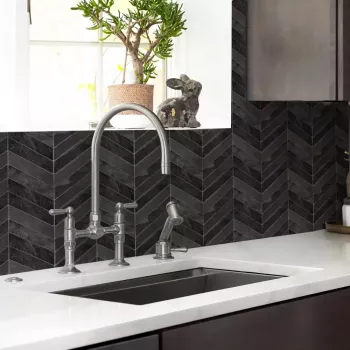
If the goal is a fast backsplash refresh with a water-resistant surface and a more dimensional finish, consider the Durable Self-Adhesive 3D Peel and Stick Backsplash Wall Tile – Waterproof for Kitchen & Bathroom. The self-adhesive backing supports a no-grout approach, while the 3D texture adds depth that helps a plain wall look more built-in.
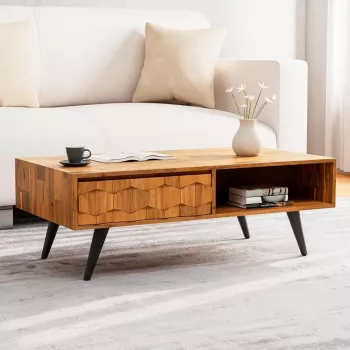
After a backsplash update, a small furniture refresh can help the room feel more cohesive—especially in open-concept spaces where the kitchen flows into a dining nook or living area. The Stylish Wood Coffee Table is an easy way to echo warm tones and natural textures that often pair well with modern tile looks.
They’re typically intended for backsplash and splash zones rather than inside-shower walls. Constant direct water exposure and heavy steam can compromise edges and adhesive, so check the manufacturer’s guidance and consider true wet-area materials for shower interiors.
It depends on the wall condition, paint type, and how long the paint cured before installation. Properly cured, higher-sheen paints often hold up better than flat or weak paint; testing a small area and warming the adhesive during removal can help reduce peeling.
Keep them away from direct heat and open flame, and follow clearance guidance for your specific cooking setup. If you want coverage behind burners, a heat-safe backsplash panel is usually the safer choice in that area.



Leave a comment